
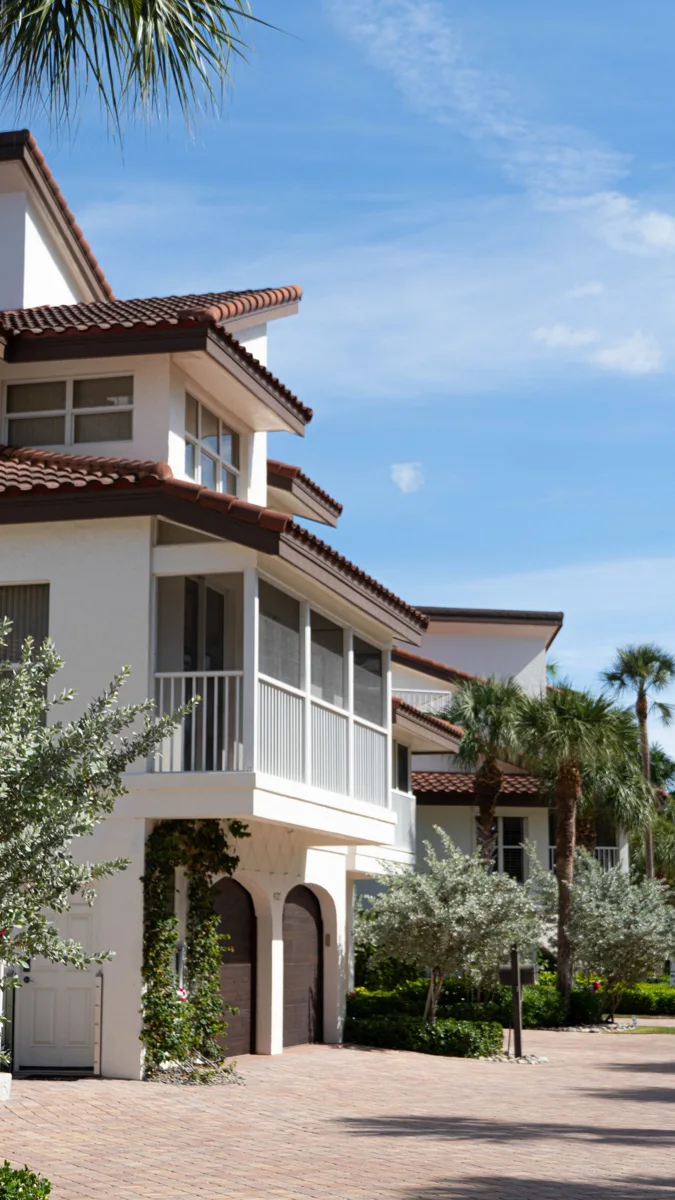
Repair is often the first option when the damage is limited and the surrounding roof can support the work. Replacement deserves a closer look when several areas are deteriorating, leaks keep returning or the roof assembly can no longer support reliable patches. Ask for the inspection findings and compare written scopes for the exact sections involved.

Start with a map of the roof and its age
Identify the material, approximate installation dates, roof slopes and any separate additions. A Miami house may have tile on the main roof and membrane over a patio or an enclosed garage. Those assemblies can age differently. Ask the roofer to mark which sections are affected and which are outside the proposed scope. Share past repairs, invoices, inspection results and pictures showing what has changed. On a commercial property, a roof plan with separate levels or tenant spaces can help. If your records are incomplete, record the facts you know and ask which conditions can be identified from an assessment. Compare recommendations against the same roof areas.
Identify the reason for the recommendation
Ask for the roofer’s observations in writing, backed by photos where appropriate. One damaged flashing on an otherwise serviceable roof can point toward repair. Problems at several openings, repeated leaks after earlier work, or an assembly that cannot accept a compatible patch can change the discussion. A roof with one visible defect can also have hidden water damage. Ask which conditions were directly observed and which will only be known after further investigation. If the scope depends on a judgment about the surrounding material, have the assessor explain what led there and whether a separate check could resolve it.
Compare the detail at the edges of a repair
A patch has to connect to what stays in place. Ask how the new material would tie into the existing covering, membrane, flashing or underlayment. On a tile roof, changing visible pieces and addressing damaged waterproofing can involve different work. On a metal roof, compatibility and how water travels at a transition may be critical. Ask the roofer to describe nearby weak areas and how a patch would affect future access. Get the limits of the repair on paper, including how the team will address broken pieces or wet material found when the roof is opened. Ask how the work will be documented.
Read a replacement scope by assembly
A reroof proposal should tell you what gets removed, what needs preparation and which roofing system will be installed. If there are two roof types, ask for the details at the transition as well as on each surface. Compare named materials, flashings, edge details, ventilation where appropriate and drainage. Find out what happens to existing vents, gutters, roof equipment and skylights. Ask which items need separate trade coordination. Check that estimates include the same structures and building sections. One price may include a detached space or secondary roof and another may cover the main building only. The scope gives the price its meaning.
Price uncertainty and concealed conditions
Owners often ask how much a Miami roof replacement costs. Roof area, materials, slope, access, removal, permits and concealed repairs can all affect the total. Compare the stated assumptions before comparing numbers. On an older roof, ask how the roofer will report deterioration found after tear-off and what information you will receive before approving additional work. When a proposal has unit prices for decking or insulation, check how quantities are measured and when the price applies. Ask who can approve a change if you are away. Get copies of the final scope and approved changes so they stay with the permit and product records.
Confirm the permit authority and scheduling
A Miami mailing address can refer to places served by different building departments. Identify the exact address and check with the appropriate jurisdiction about the permit and inspections for the work. Miami-Dade County publishes roofing permit information and municipal departments have their own requirements. Ask who submits paperwork, what inspections are expected, and who will collect records at completion. Discuss the staging location, resident or tenant access and weather delays before accepting a start date. On a building with multiple occupants, confirm what areas must stay open and when equipment, deliveries or property access can be coordinated.
Check what happens at handover
A written scope benefits you after the work ends. Ask for the final list of sections completed, installed materials, permit records and any applicable written warranty information. If a repair was performed, get the approximate location marked on a photo or simple plan. If a roof was replaced, keep any instructions that address ongoing maintenance or inspection. A building manager may need to hand the information to tenants, a future manager or another service contractor. Keeping roofing records by roof area gives everyone a common reference when later work involves solar equipment, new vents or another alteration around the roof.
Decide what question you still need answered
Write down what you know about the condition and the uncertainty that could change your decision. For a repair, ask if nearby material is serviceable and whether a compatible connection can be made. For replacement, compare the reason for removing the existing assembly, the proposed system and how hidden conditions are handled. Tell the Miami office if your near-term priority is keeping a room usable, preparing for a sale or planning a broader exterior project. Those details help you get an assessment and written scope built around what needs to happen at the property.
Use the same project assumptions for each estimate
Ask each roofer to identify the roof footprint used for pricing and how the proposal treats any attached roof, garage or patio. Compare preparation, removal and edge details line by line. If one scope assumes existing gutters can stay while another proposes replacement, ask both to explain the reason. Review who is responsible for equipment access and any steps needed before materials arrive. A written clarification is especially useful when a price includes an allowance or describes work only if a condition is discovered. Keep each clarification with the proposal so everyone reviewing it uses the current scope.