Call the office
The desk is open every day from 8 AM to 8 PM at (305) 701-4572. Say where the building is and what the roof is doing.
Miami-Dade roofing
Elite Roofing Company of Miami LLC repairs and replaces tile, metal, shingle, and flat roofs. The office is at 2341 NW 34th St, Miami, FL 33142, and the desk is open every day from 8 AM to 8 PM.
Miami
Request a call. Five steps. We call back between 8 AM and 8 PM from the Miami office.
A roof in Miami-Dade has a simple job and a hard climate. The sun is on it most of the year. Afternoon storms drop a lot of water in a short time. In a hurricane the wind tries to lift the edges, the ridges, and anything that is not fastened. Near the bay and the beach, salt air rusts ordinary steel flashings and fasteners while the tile or the membrane still looks whole.
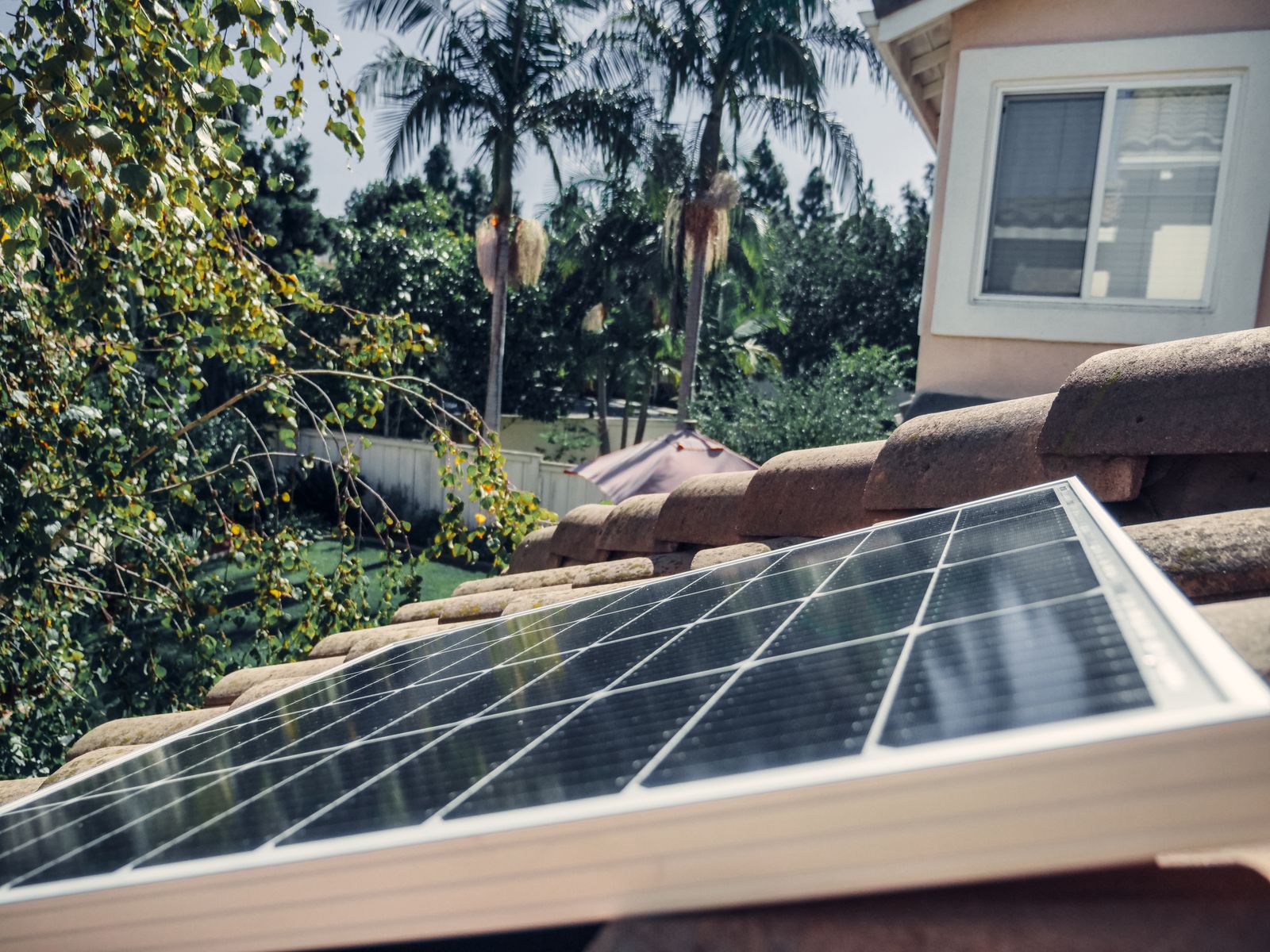
Houses across the county are often clay or concrete tile over an underlayment. The tile sheds water and takes the sun. The underlayment is what keeps a cracked or shifted tile from becoming a ceiling stain. Warehouses, condominiums, and many high-rises use low-slope roofs, where water has to be led to a drain instead of running off a steep slope. Asphalt shingles show up on some houses. Metal shows up as a whole roof and, more often, as the flashing around every roof.
Miami-Dade County and Broward County sit in a high-velocity hurricane zone. A new roof in those counties is expected to meet that stricter wind standard, and the city permit office reviews the drawings. The practical point is the same on every page: the attachment, the edge metal, and the underlayment matter as much as the surface you see from the street.
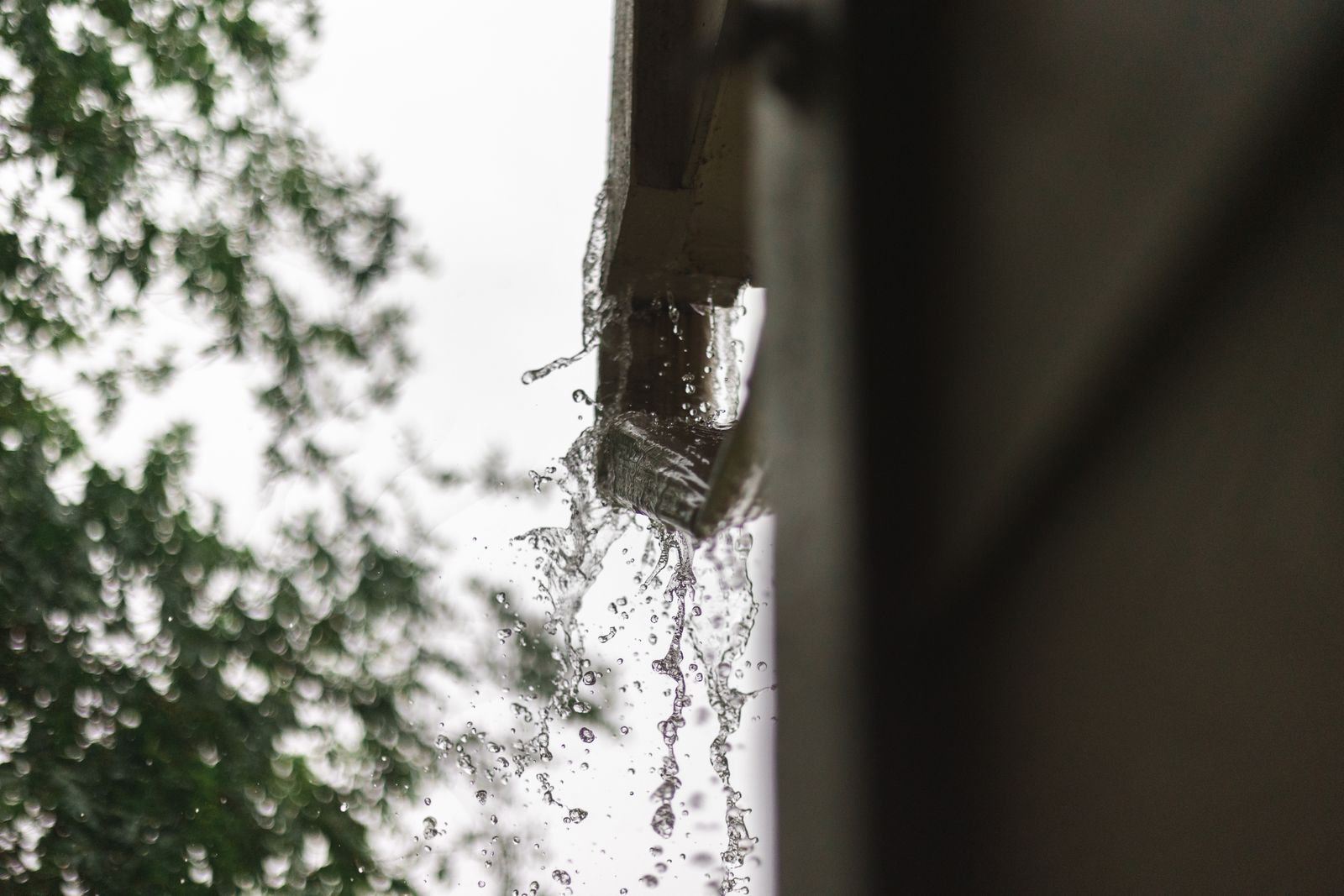
Find the opening and repair the piece that failed.
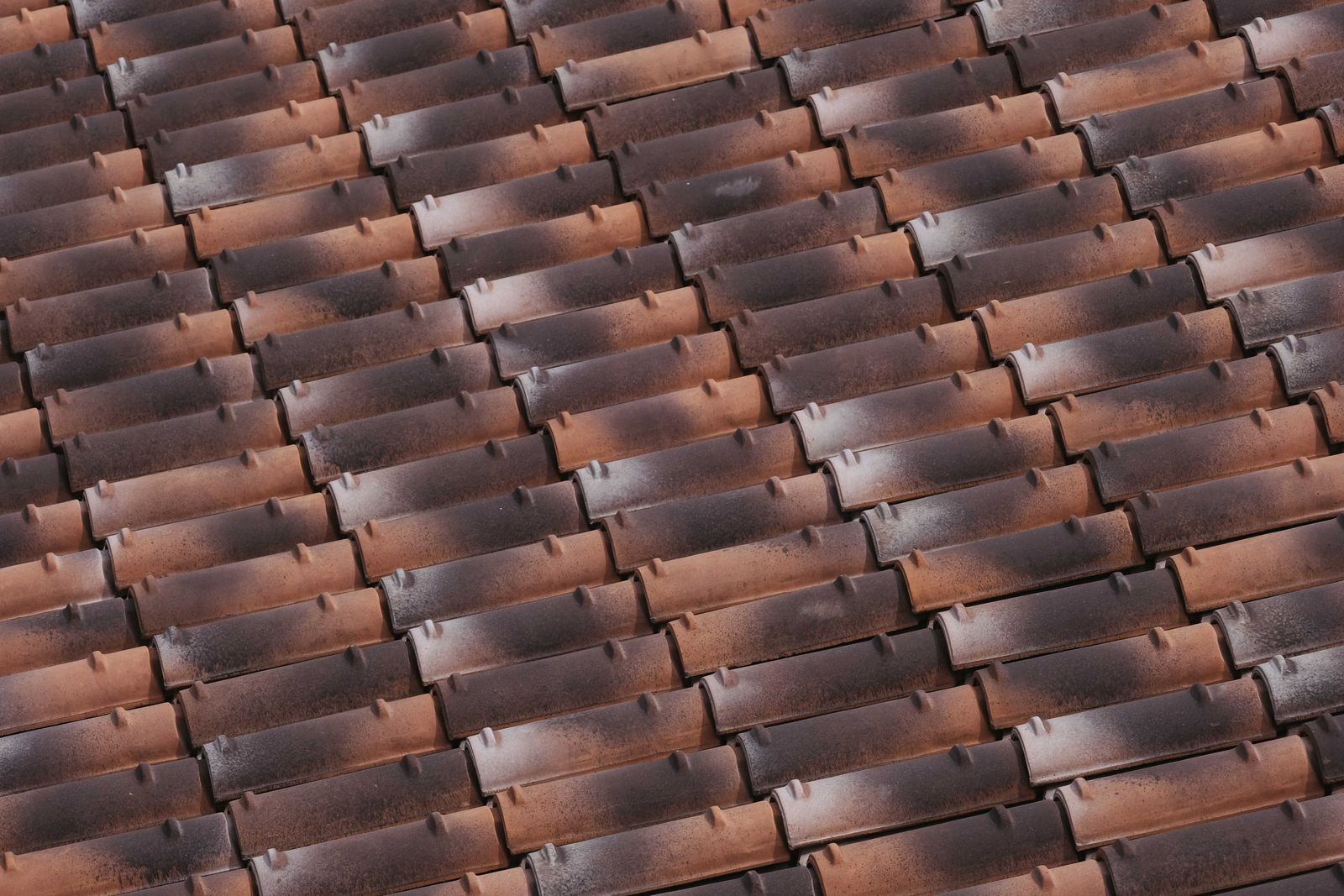
A new roof when the field, the deck, or the underlayment is worn through.
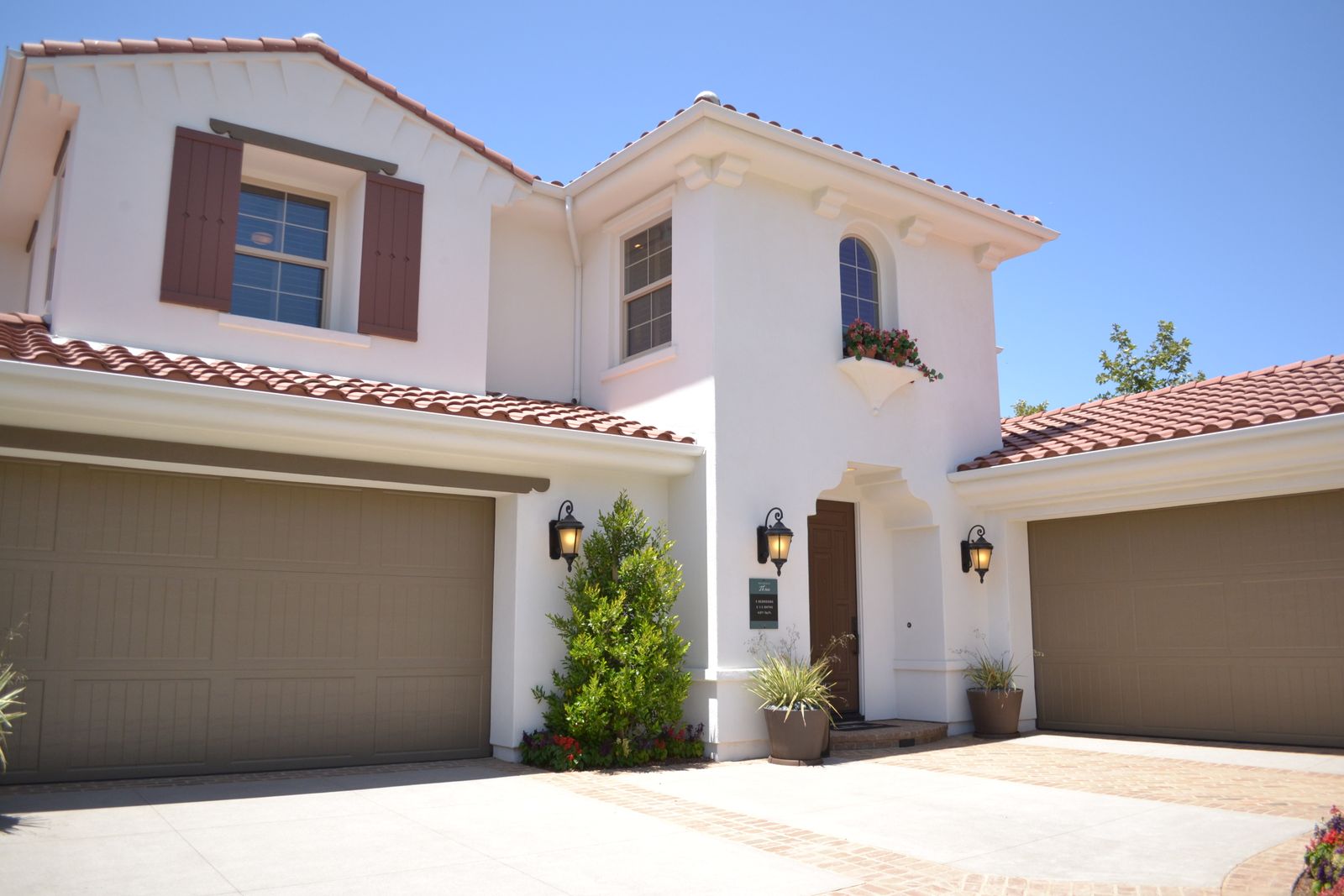
A visit that describes what is visible on the roof.
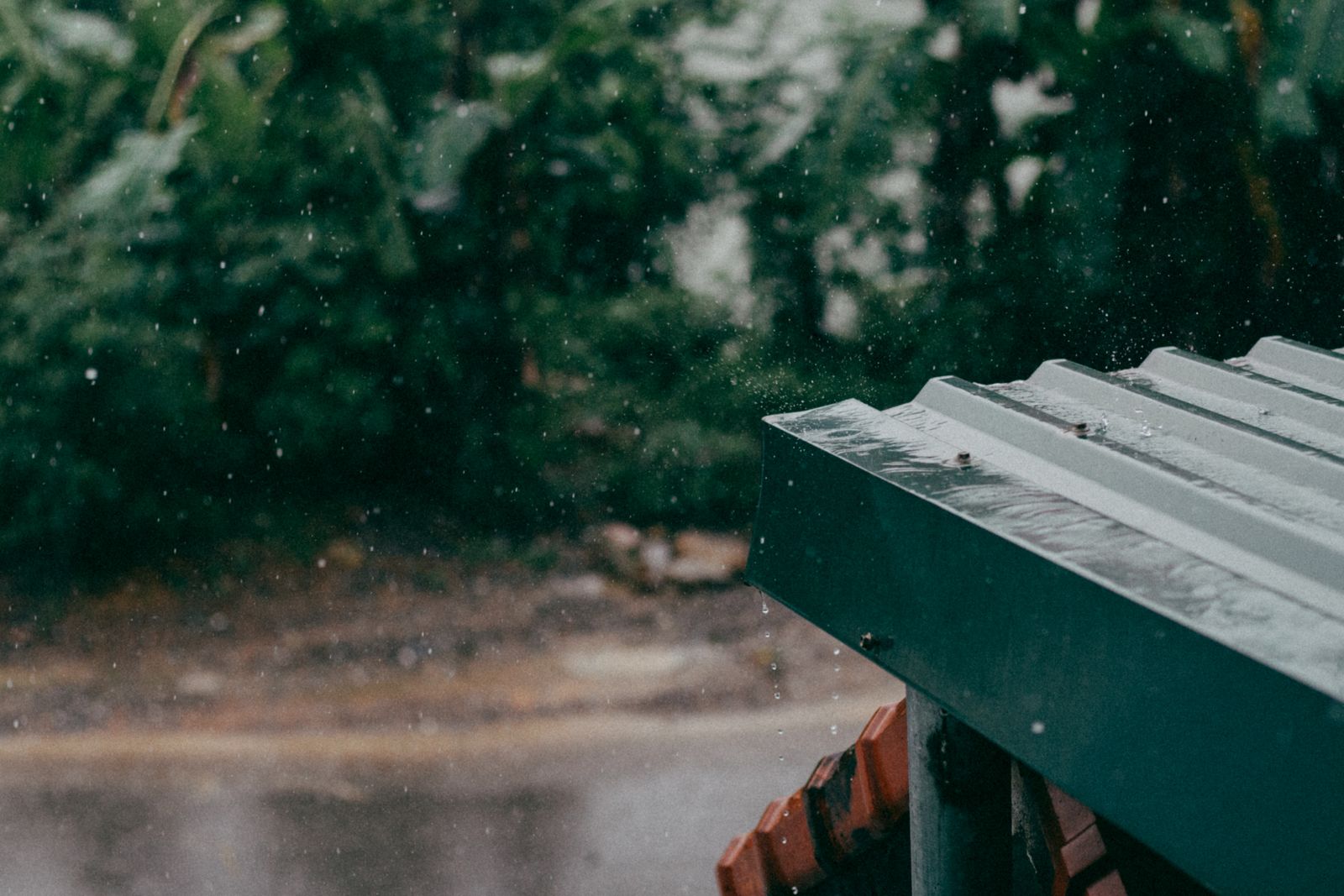
After wind or hard rain, look for what moved and where water entered.
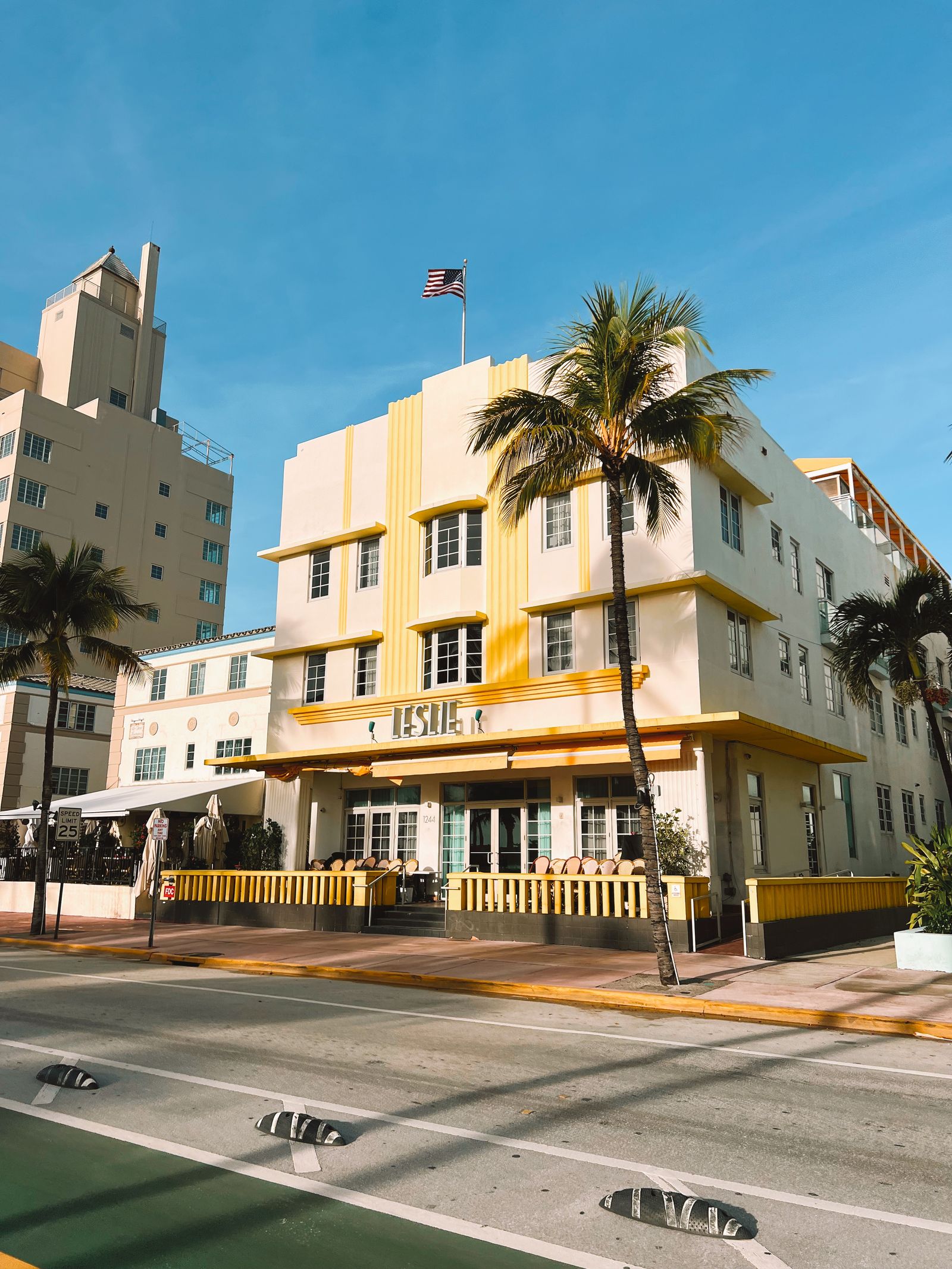
An active leak, during open hours, stopped at the opening.
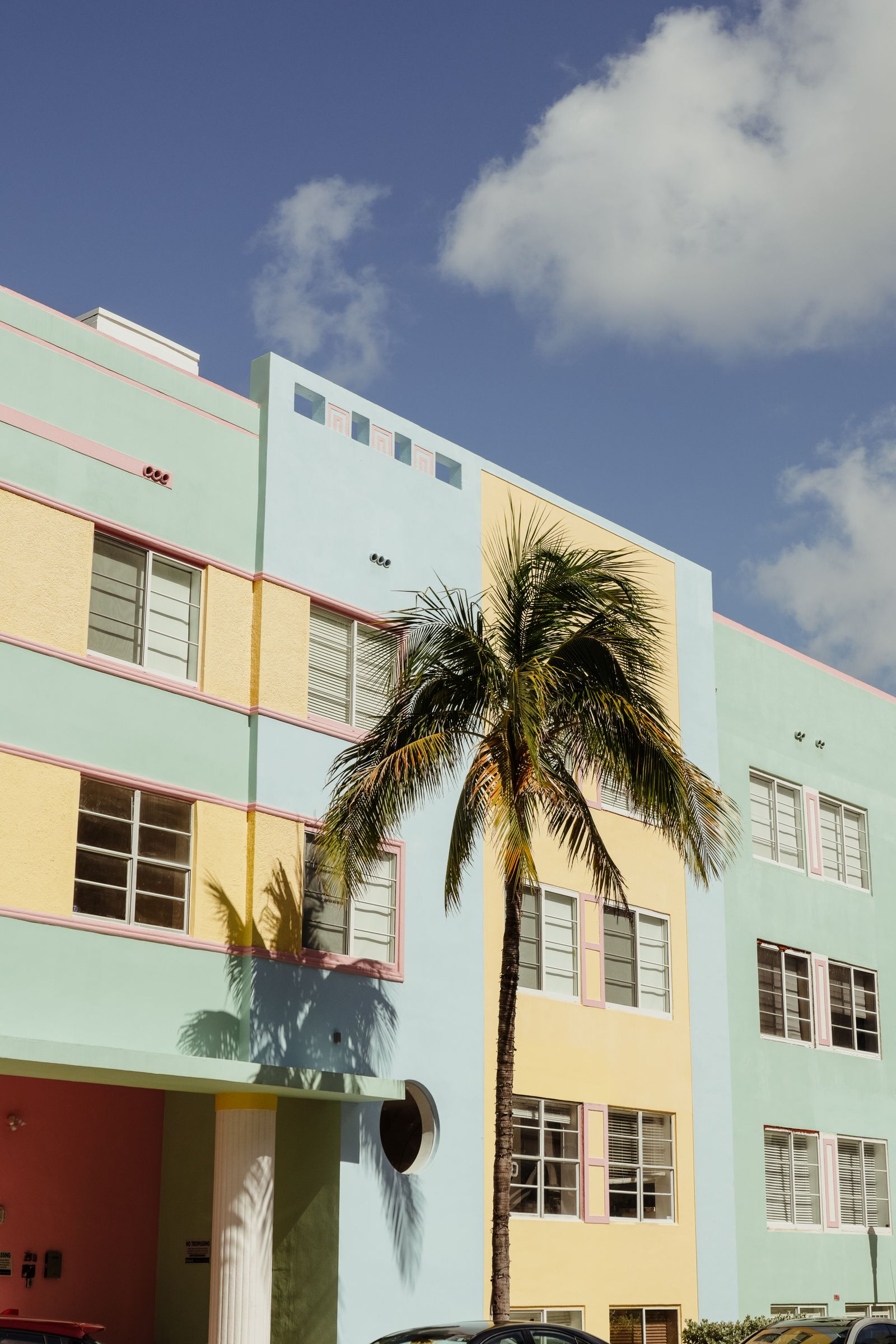
A written description of visible damage for the property owner.
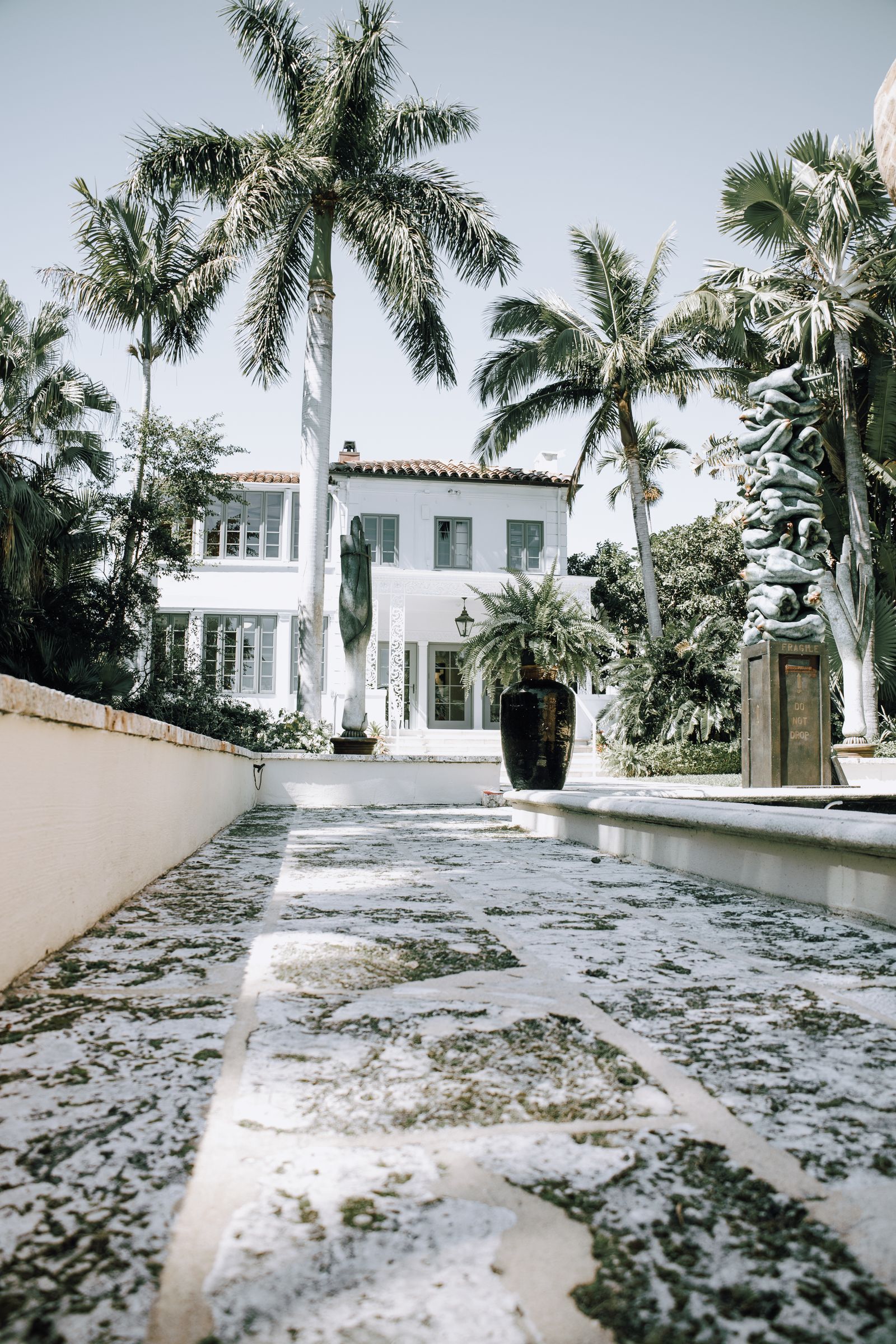
Houses, tile, shingles, and the flashings that join them.
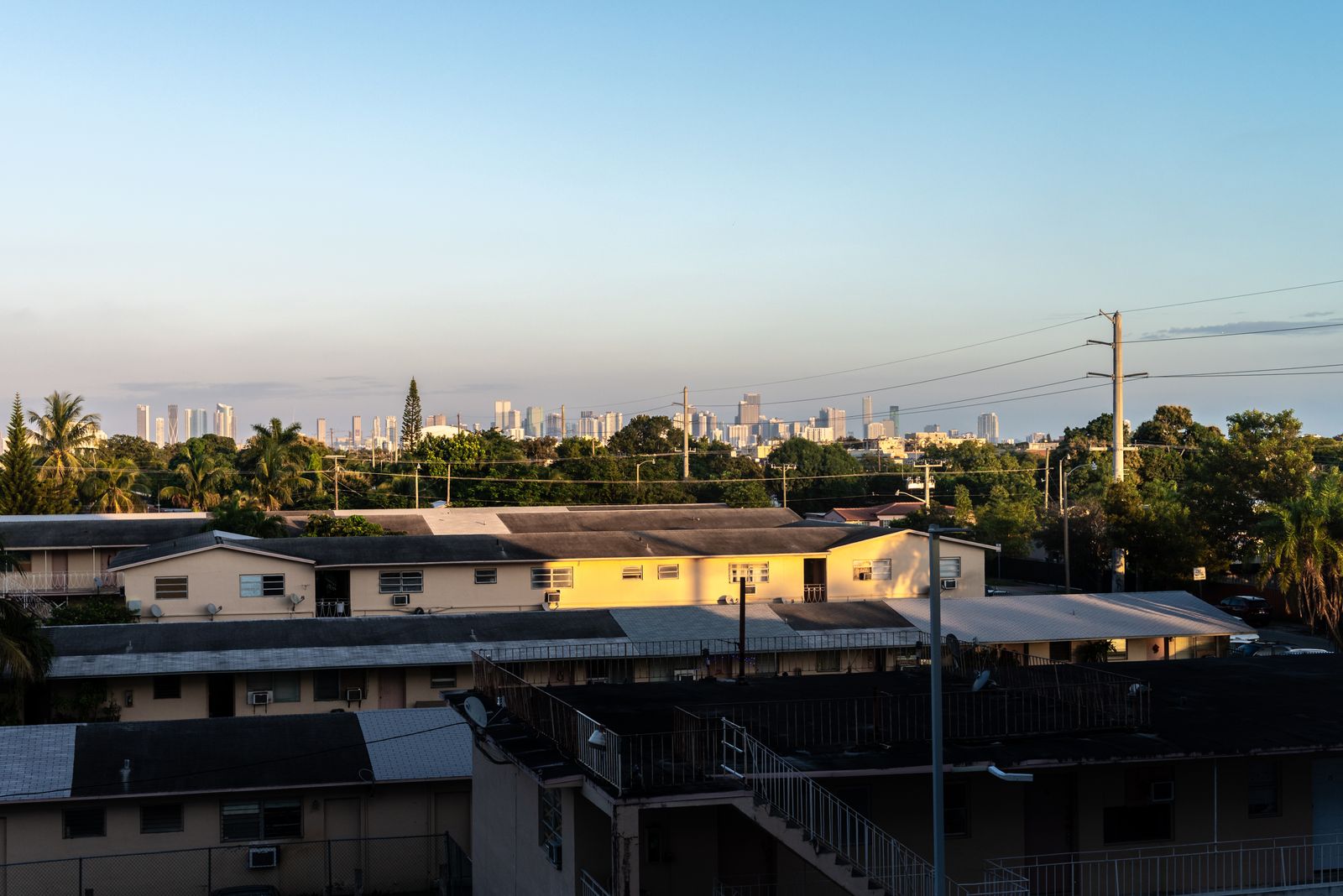
Warehouses, offices, and other buildings with flat or metal roofs.
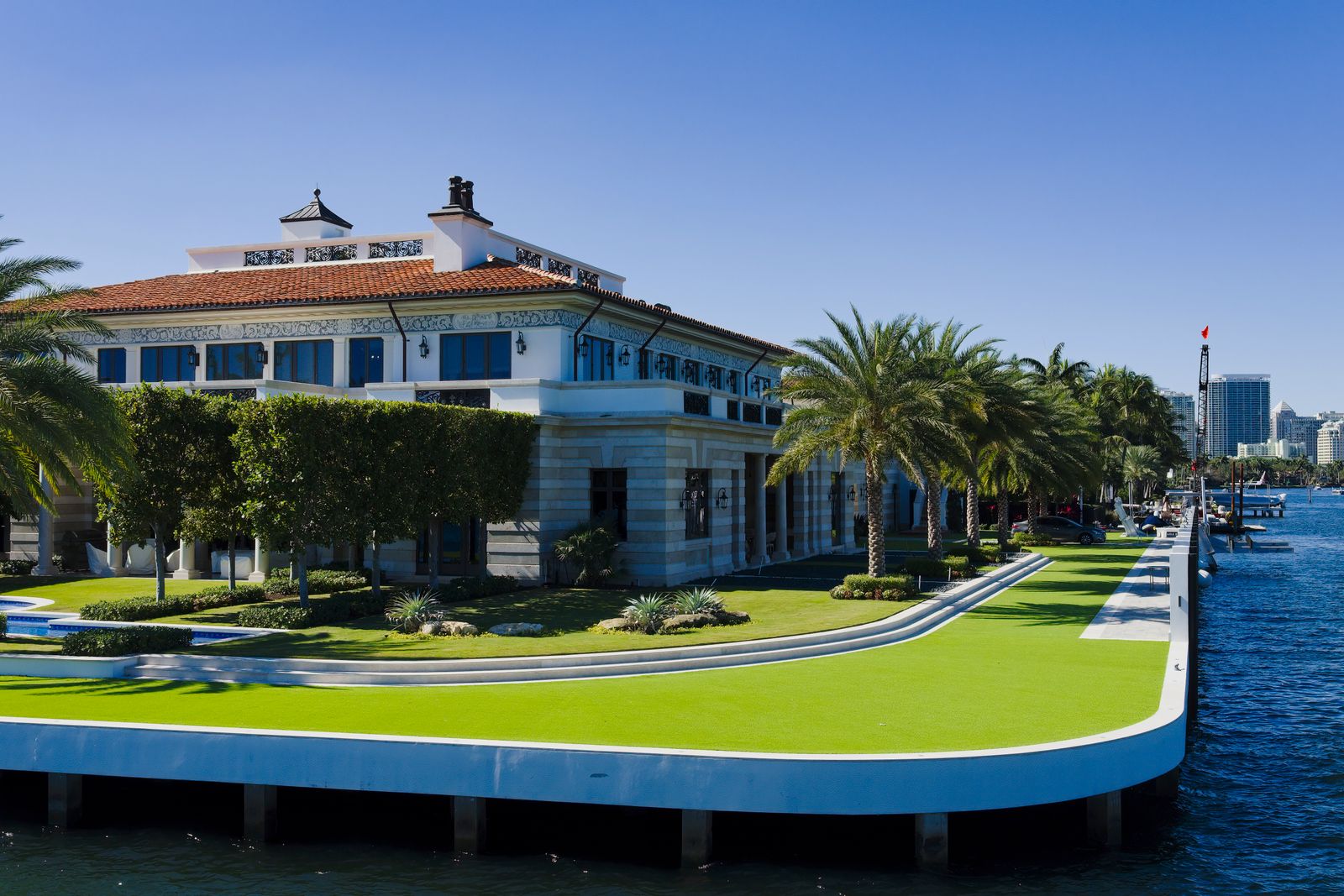
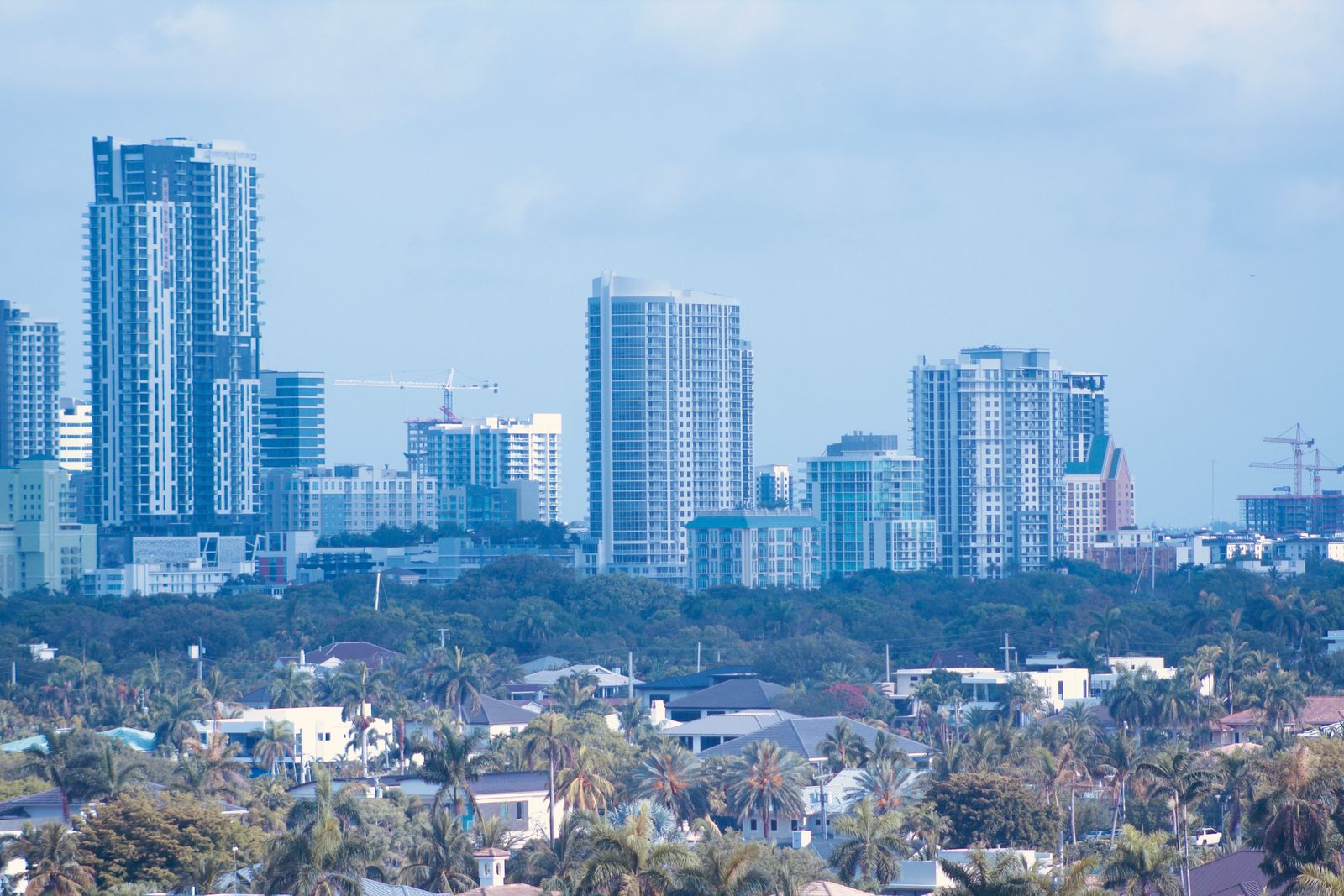
From Coral Gables to the barrier islands, the street picture is barrel tile, stucco, and palms. A few miles away the roofs are flat, full of drains, and out of sight from the sidewalk. Both are normal in Miami-Dade. The office that answers the phone is still the one on NW 34th Street.
The order is the same in Hialeah, Kendall, Miami Beach, and Weston. Hours do not change by neighborhood.
The desk is open every day from 8 AM to 8 PM at (305) 701-4572. Say where the building is and what the roof is doing.
A roofer looks at the slopes, the edges, the penetrations, and the drains from the places that are safe to walk.
You hear what is visible: the material, the flashing, and any opening the rain is using. The notes stay in ordinary language.
Repair stays in the conversation when the rest of the roof can remain. A new roof is the conversation when the deck, the underlayment, or the field of the roof is worn through.
If you want a claim, you call your insurer. The visit describes the roof. The insurer decides the claim.
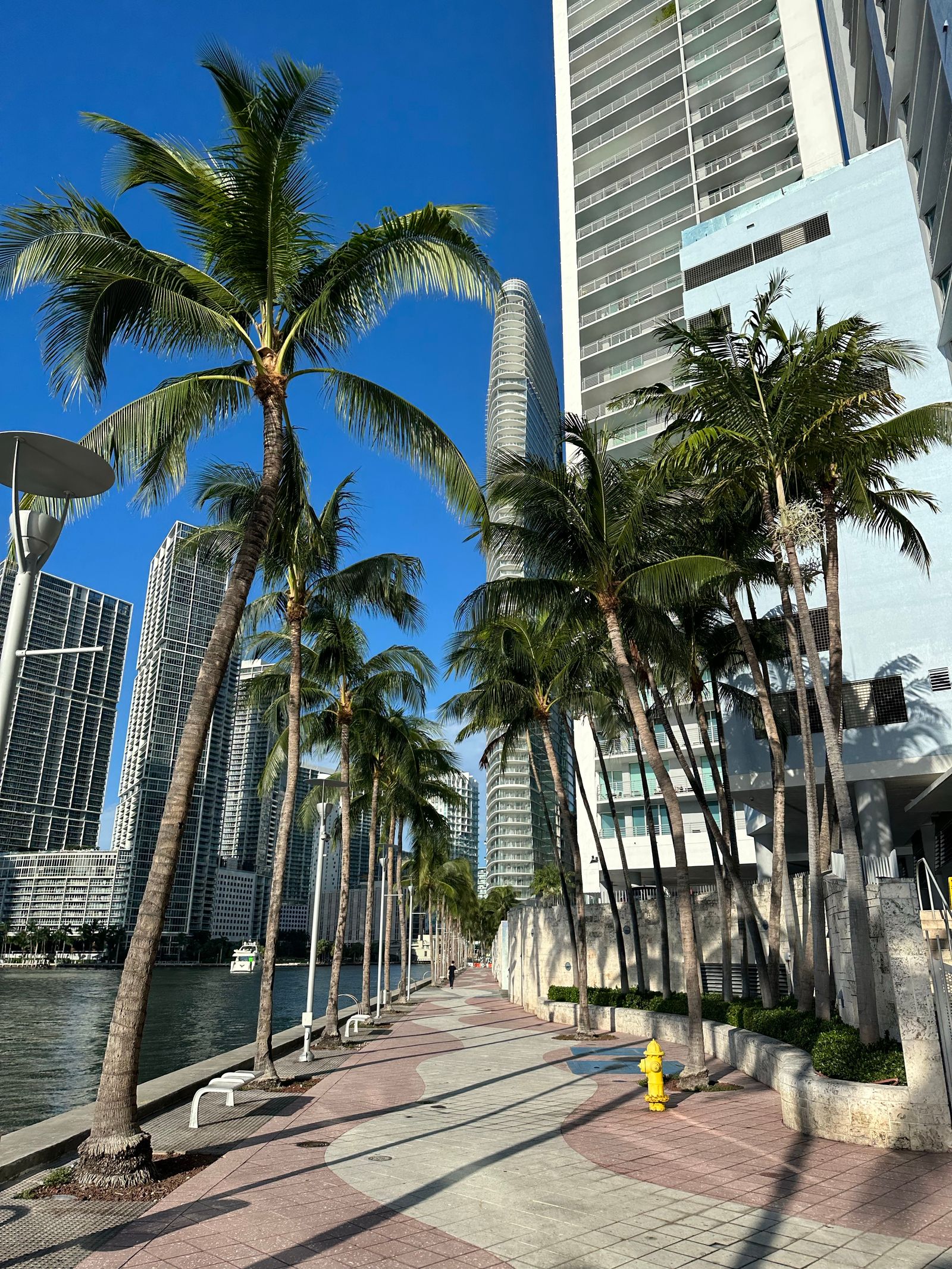
A storm that starts over the bay can soak a flat roof in Brickell and a tile roof in Kendall on the same afternoon. Salt is stronger on the islands. Heat and rain are county-wide. Each city below keeps the neighborhood names and the building types that belong to that place.
2341 NW 34th St, Miami, FL 33142. Every city uses that same address.
Every day, 8 AM to 8 PM. The number is (305) 701-4572.
Tile, metal, asphalt shingle, and low-slope roofs on houses and on commercial buildings.
No. The insurer decides. A visit can describe what is visible so you have notes from a roofing company.
If water is entering, protect people and belongings. Call (305) 701-4572 when the desk opens at 8 AM.
Each city keeps its own neighborhoods. The office address stays 2341 NW 34th St, Miami, FL 33142.
Downtown towers, Grove houses, and Little Havana tile.
Salt air, flat roofs, and barrier-island tile.
Inland houses, townhouses, and warehouse roofs.
Mediterranean tile, stucco, and a hard sun.
Warehouses, flat roofs, and newer houses.
Tile and shingle houses, plus shopping-center roofs.
Large lots, clay tile, and trees in the valleys.
High-rises, flat roofs, and a waterfront edge.
Intracoastal salt air and inland house streets.
Houses and metal roofs on open southern ground.
Canals, coastal flashings, and Broward wind.
Inland lakes, tile, and afternoon storms.