
Downtown Coral Gables
Downtown mixes shops, offices, and nearby houses. Low commercial roofs need drains. The houses return to tile as soon as the lots open up.
Elite Roofing Company of Miami
Mediterranean houses, tile roofs, and a hard sun
Coral Gables is tile roofs, stucco, and mature trees inside Miami-Dade. Heat and afternoon rain do the daily work. Salt air is milder here than on Miami Beach. Sound underlayment and tight valleys keep the afternoon rain out of the house.
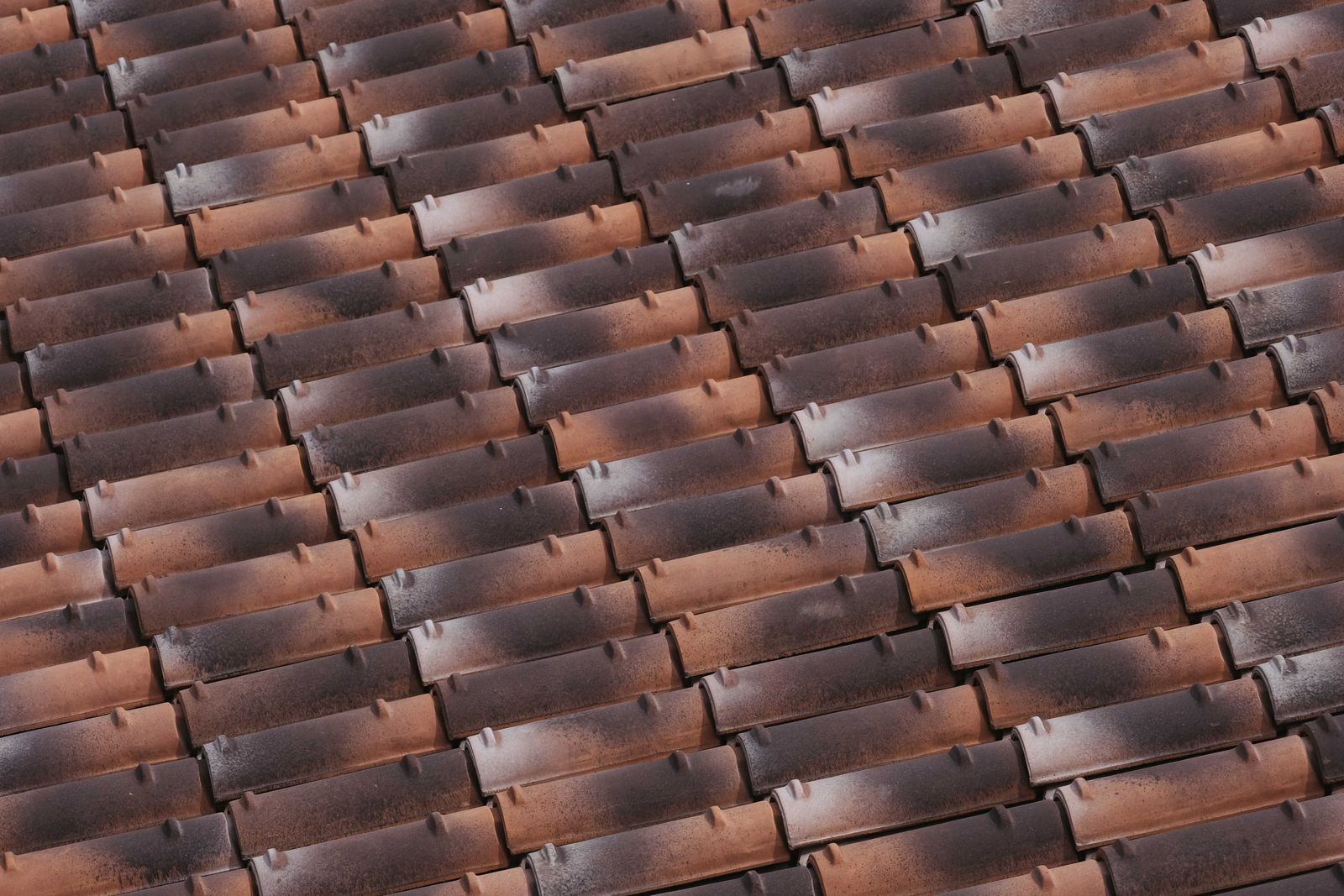
A Coral Gables house is often a clay tile roof on a steep or medium slope, with hips, ridges, and a valley or two under oak and palm litter. The tile can look intact for a long time. Water gets in when a tile slips, a ridge cracks, or the underlayment under a valley has worn out. The stain on the ceiling is frequently nowhere near the tile that moved.
Heat is the other daily force. Dark tile holds heat. Attics that cannot breathe get hotter, and that heat ages underlayment and pipe boots. Rain then finds the brittle spot. This is ordinary Miami-Dade house behavior, not a special Gables rule.
Some streets sit in local historic districts. The city decides what a facade may look like. The roofing question is whether the water stays out and whether a new roof, if one is needed, meets the hurricane-zone attachment expected in Miami-Dade.
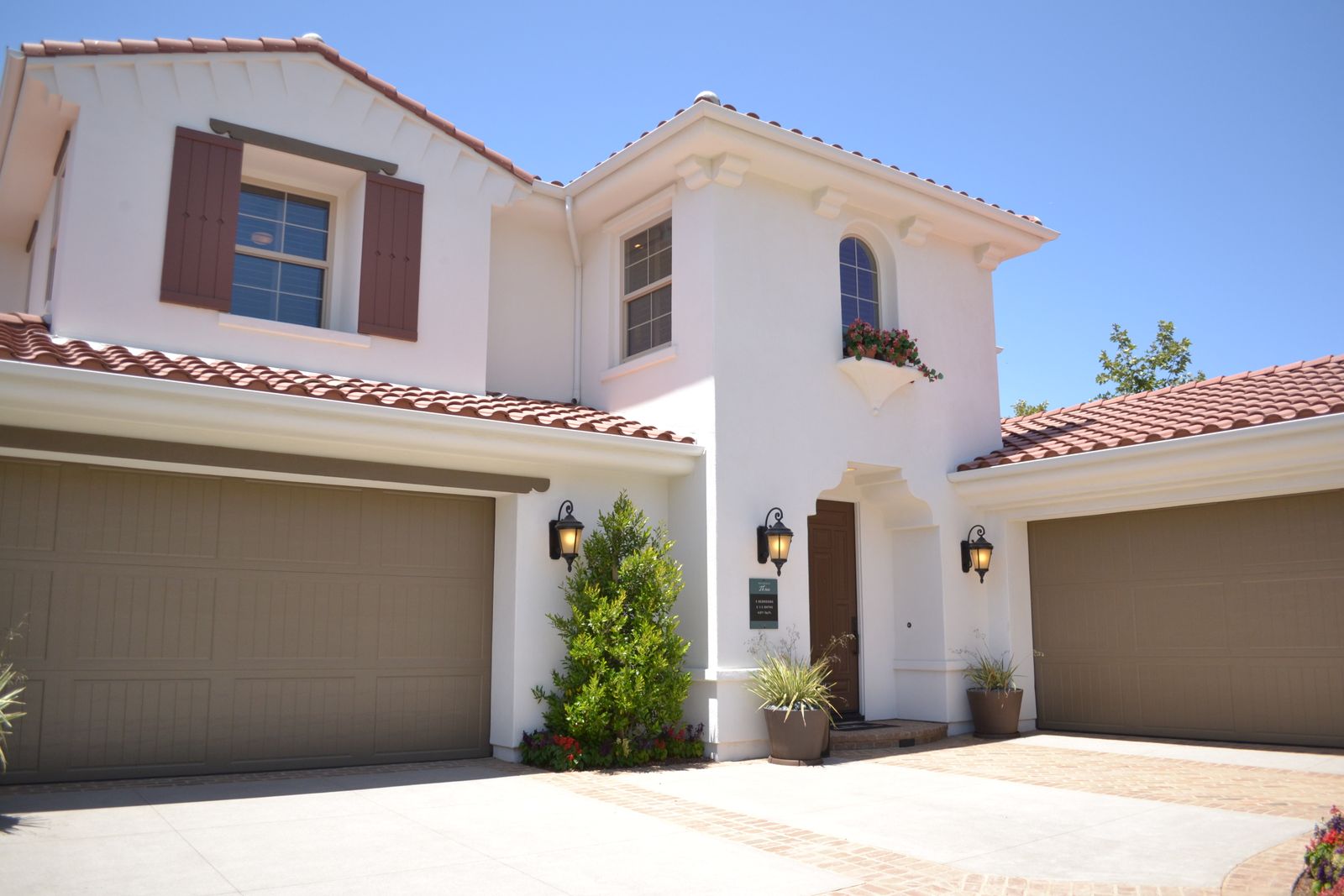
Look at pipe boots, valley metal, ridge tiles, and the underlayment where a tile has slipped. A single cracked tile is often a repair. A soft deck, a valley that has been leaking for years, or tile that is broken across a whole slope is a replacement conversation.
Flat roofs still exist, on additions, garages, and any commercial block. They should not be diagnosed as tile. The form asks for the material. If you are not sure, say so. The visit is how that gets answered.
Downtown, the waterfront lots, and the house streets each wear tile differently.
Downtown mixes shops, offices, and nearby houses. Low commercial roofs need drains. The houses return to tile as soon as the lots open up.
Miracle Mile is a commercial street. Roofs are lower and less visible, with parapets and equipment. Leaks show up in ceilings over the shop, not on the sidewalk.
Houses around the pool and the older planned blocks are the Mediterranean picture: stucco, tile, and short eaves. Valleys and chimney flashings deserve a look after a storm.
Larger tile roofs, more hips and ridges, more metal at every intersection. A ridge failure can wet a long run of underlayment before anyone sees a broken tile from the yard.
Waterfront lots. Tile roofs again, with more exposure to bay air than a street in the center of the Gables. Fasteners and flashings are the salt question. The tile is the sun question.
Old Cutler is trees and houses. Gutters fill with leaves. A clean gutter is part of keeping water off the fascia and out of the wall, which is not the same job as the tile field.
Both are house neighborhoods with tile as the usual roof. North and south change the lot and the tree cover more than they change the climate. It is still Miami-Dade heat and rain.
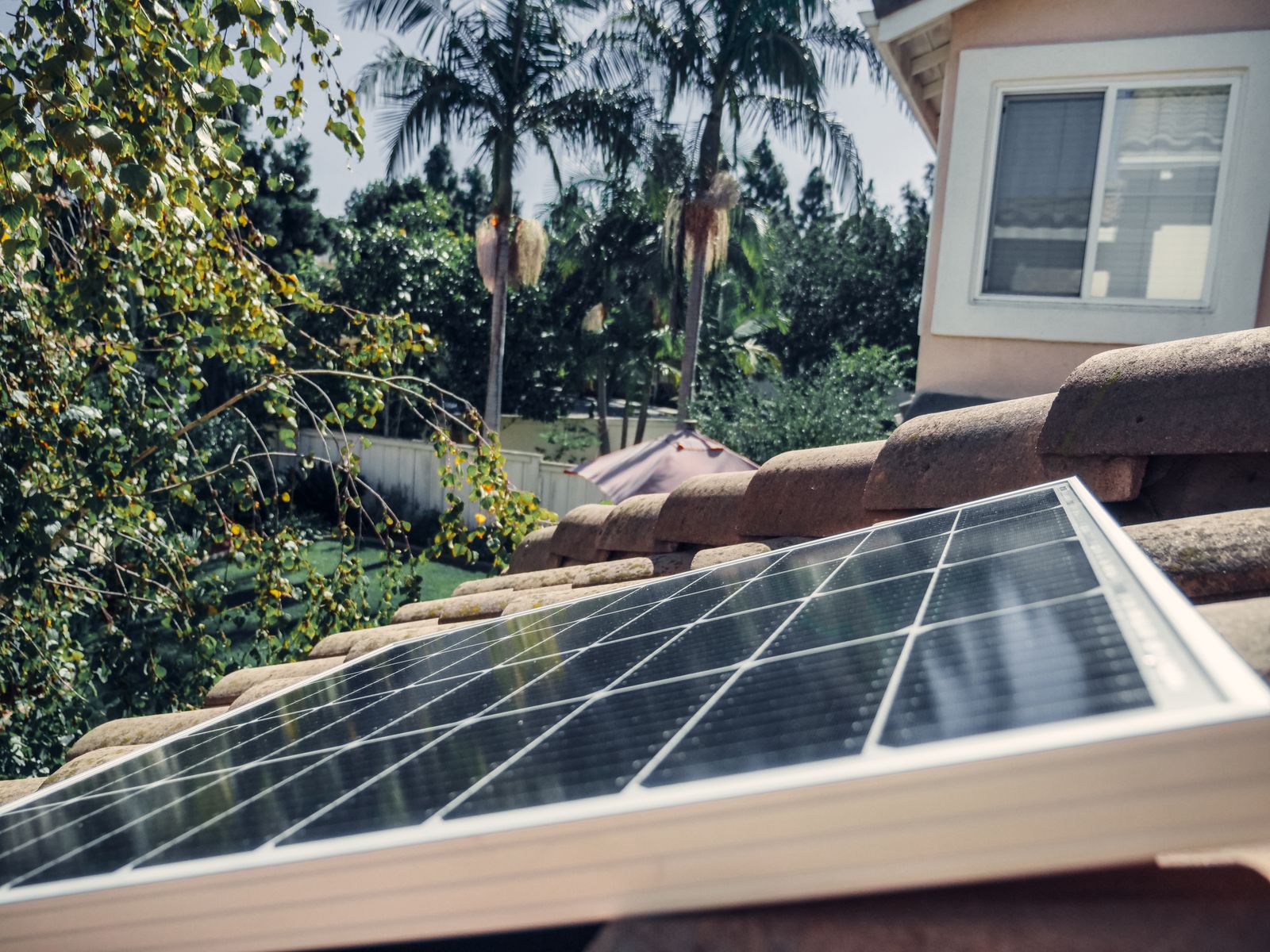
Miracle Mile is shops. A few blocks away the roofs are barrel tile over houses. Both can call the same Miami office.
On the houses, yes. Clay and concrete tile are the common street picture. Shingles and flat roofs exist and they are handled as what they are.
Less than on Miami Beach. Bayfront lots in Cocoplum and Gables Estates see more of it than a lot in the middle of the city. Heat and rain matter everywhere here.
The city may have rules about appearance. Ask the building department about the facade, and ask a roofer about the water.
(305) 701-4572, daily 8 AM to 8 PM. The office is 2341 NW 34th St, Miami, FL 33142.
A Gables visit spends its time on tile, valleys, and trees in the gutters. The hours and the address stay the Miami office.
The desk is open every day from 8 AM to 8 PM at (305) 701-4572. Say where the building is and what the roof is doing.
A roofer looks at the slopes, the edges, the penetrations, and the drains from the places that are safe to walk.
You hear what is visible: the material, the flashing, and any opening the rain is using. The notes stay in ordinary language.
Repair stays in the conversation when the rest of the roof can remain. A new roof is the conversation when the deck, the underlayment, or the field of the roof is worn through.
If you want a claim, you call your insurer. The visit describes the roof. The insurer decides the claim.