
Bonaventure
An older Weston-area community. Tile and shingle roofs that have seen more seasons. Boots, ridges, and resealed flashings are the common list.
Elite Roofing Company of Miami
Inland Broward houses, lakes, and afternoon storms
Weston is planned communities in western Broward. Tile and shingle roofs, lakes, and summer rain. Salt air is not the story. Clear valleys and fastened edges keep the afternoon rain out of the house.
Each community repeats a few house plans, and each roof is still its own visit.
An older Weston-area community. Tile and shingle roofs that have seen more seasons. Boots, ridges, and resealed flashings are the common list.
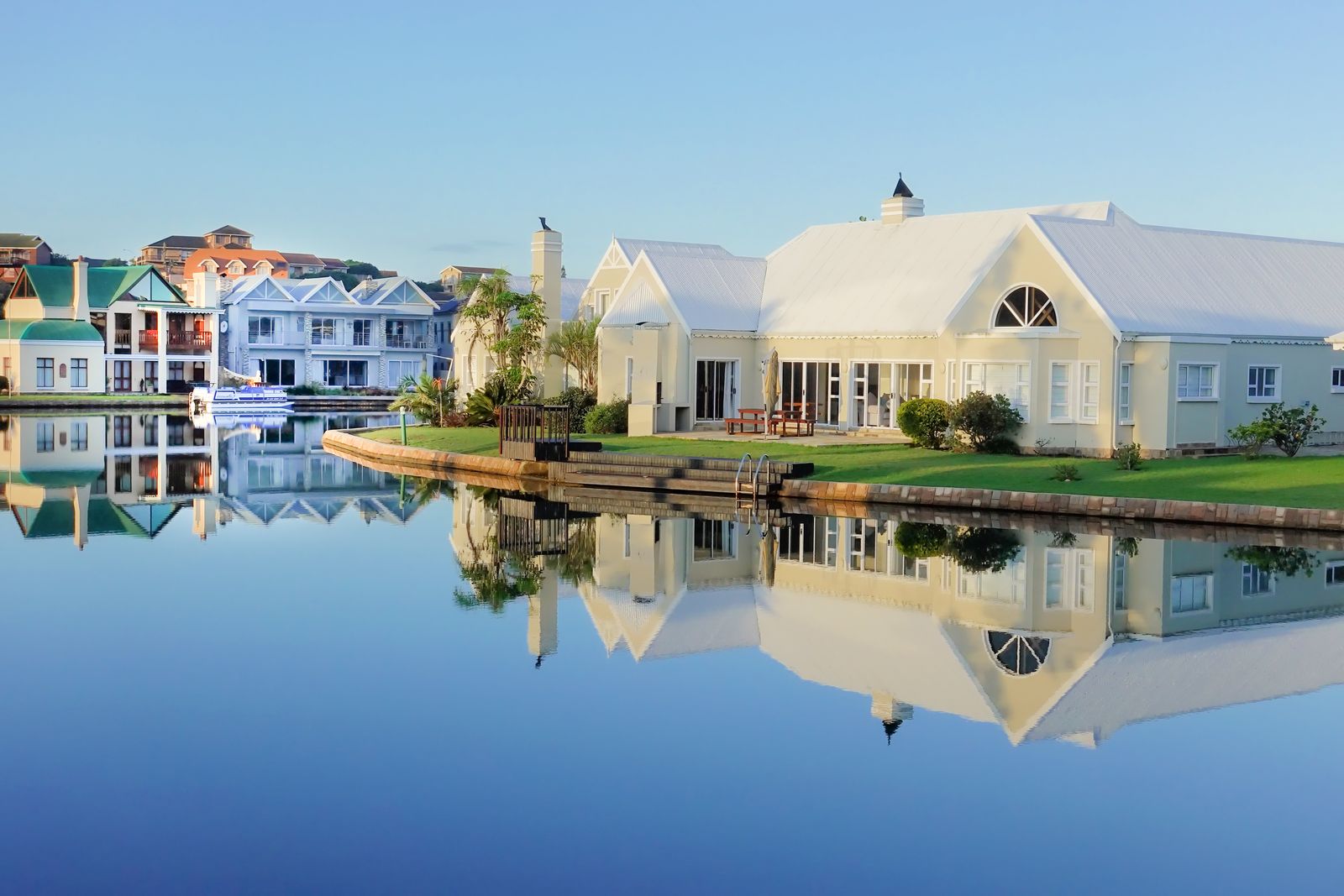
Houses around water. Tile roofs, gutters, and wind across the lakes. Check the edges after a storm, not the salt.
House roofs in a planned village. Similar slopes from lot to lot. A leak pattern in one model is worth mentioning when you call.
Houses, tile or shingle depending on the section. Afternoon rain is the test. Valleys and penetrations first.
Slightly higher lots, a bit more wind exposure. Ridge tile and hip metal deserve a look after a named storm.
A main Weston corridor with houses off it. Roofs are residential. Commercial roofs are the exception and should be named as such.
Newer houses. Tile roofs, shorter repair histories. Installation details at the eaves and valleys matter more than patchwork.
Larger lots, tile roofs, more tree debris than a new zero-lot street. Gutters are part of the visit.
Golf-community houses. Tile, open fairway wind, and the same Broward storms. No ocean salt.
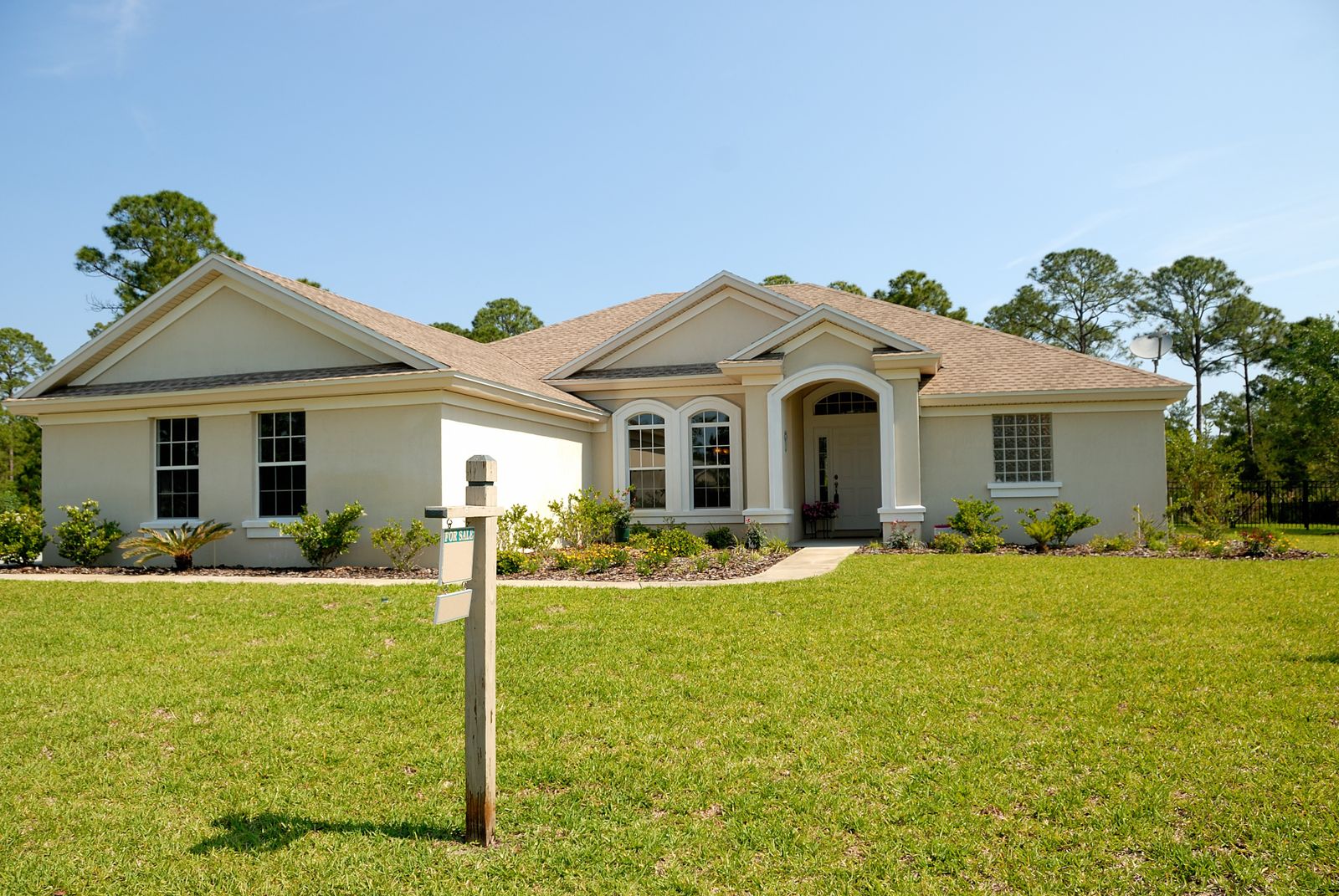
Weston roofs do not live in Atlantic spray. They live in sun and in storms that build over the Everglades side of Broward and dump rain on tile valleys and shingle eaves. Wind in a hurricane still reaches these subdivisions. Broward is in the high-velocity hurricane zone, the same zone as Miami-Dade, so a new roof is fastened for that wind, without the daily salt.
Many neighborhoods repeat a few roof plans: tile on one village, architectural shingles on another. When a detail fails, it fails on that plan, not as a one-off mystery. The visit still looks at the house in front of us. Age and the last repair matter more than the community brochure.
Lakes add humidity and, on some lots, a longer view for wind. They do not add beach corrosion. If a metal edge is rusted here, it is usually age and water, not salt. Say what you see and the notes will match it.
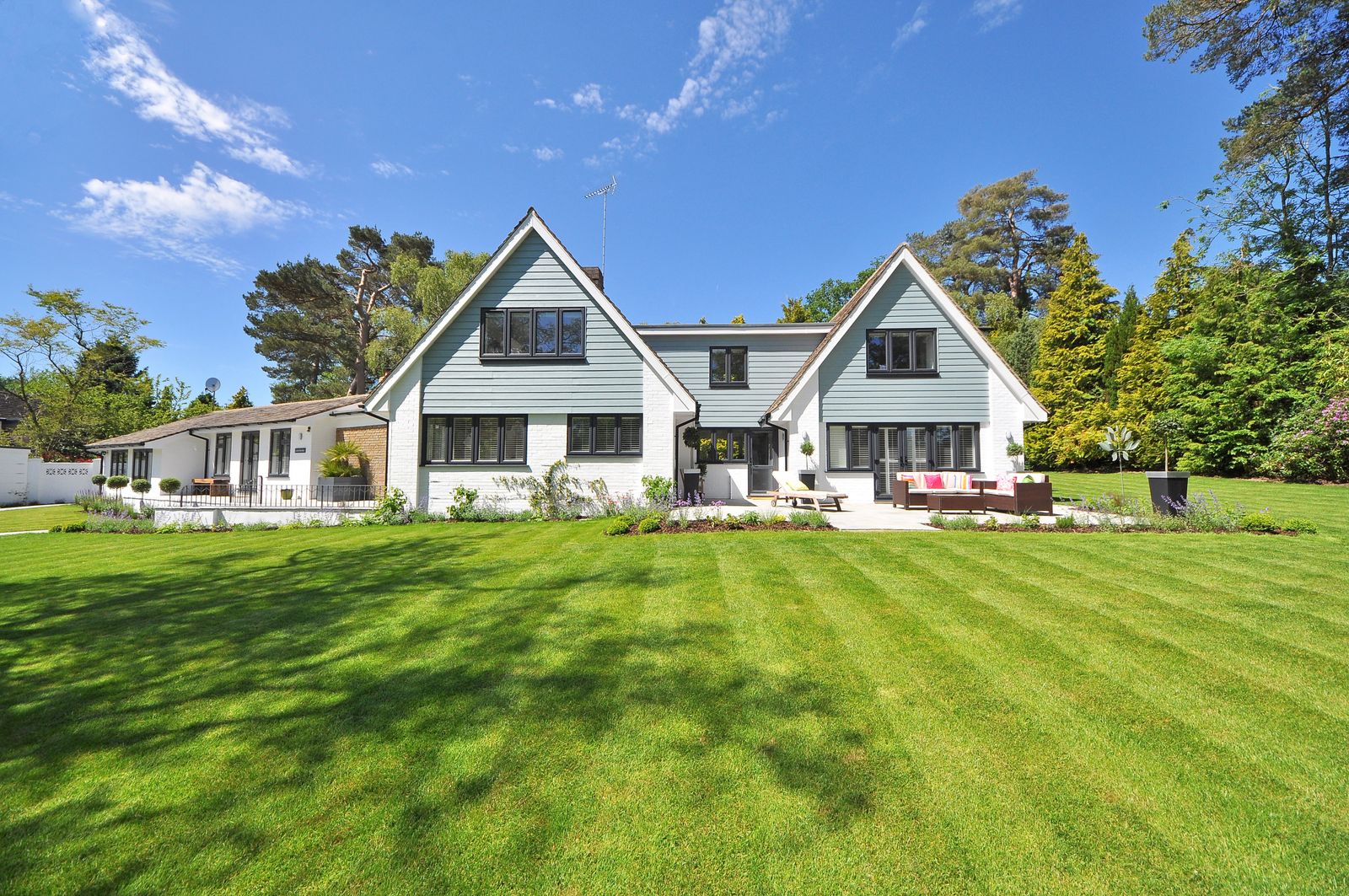
A community can share a tile color and still have one valley that leaks. The visit is about that roof.
No. It is western Broward, near lakes and planned villages, not the Atlantic.
Broward County is in the high-velocity hurricane zone. New roofs are built to that wind standard.
Tile and architectural shingles on houses. Flat commercial roofs are less common than in Doral and should be named if that is the building.
No. The office is in Miami, 2341 NW 34th St, Miami, FL 33142.
Callers in Weston are not calling a local storefront. They are calling 2341 NW 34th St, Miami, FL 33142, at (305) 701-4572, between 8 AM and 8 PM. The ZIP code on the form tells the office the drive.
Describe the roof as tile or shingle if you can see it from the ground. Describe the leak as one room or many. That is enough to schedule a useful visit. The ZIP code tells the office where the house sits.
Weston visits follow the same five steps, with salt left out of the story unless the metal is actually rusted from age.
The desk is open every day from 8 AM to 8 PM at (305) 701-4572. Say where the building is and what the roof is doing.
A roofer looks at the slopes, the edges, the penetrations, and the drains from the places that are safe to walk.
You hear what is visible: the material, the flashing, and any opening the rain is using. The notes stay in ordinary language.
Repair stays in the conversation when the rest of the roof can remain. A new roof is the conversation when the deck, the underlayment, or the field of the roof is worn through.
If you want a claim, you call your insurer. The visit describes the roof. The insurer decides the claim.