
Downtown Miami
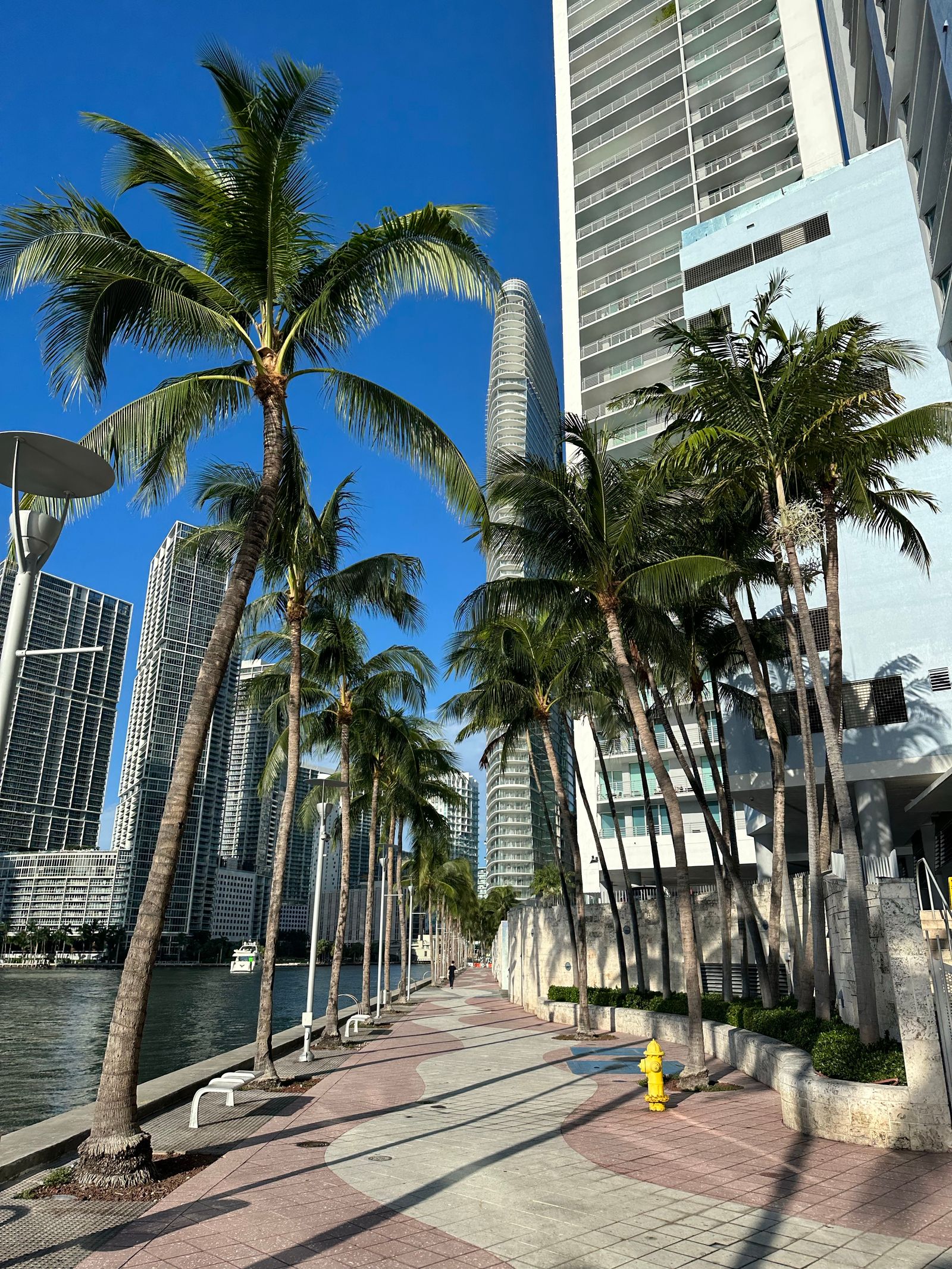
Downtown is offices, older towers, and flat roofs. Drains, pitch pans, and parapet metal do the work. A leak often shows up several floors below the curb that failed.
Elite Roofing Company of Miami
Brickell towers, Grove houses, and Little Havana tile.
Keep Brickell towers, Grove houses, and Little Havana tile dry through the afternoon rain. Downtown towers, Grove houses, and Little Havana tile each shed water a different way. A sound roof keeps the afternoon rain out of the rooms under it, from the ridge down to the drain, across the neighborhoods around them.
Downtown, the house streets, and the nearby cities each have their own roofs. Coral Gables, Kendall, and Aventura are their own visits.
Downtown is offices, older towers, and flat roofs. Drains, pitch pans, and parapet metal do the work. A leak often shows up several floors below the curb that failed.
Brickell is high-rise. Roofs are low-slope, with mechanical equipment and a lot of foot traffic from maintenance. Ponding after a storm is the thing to look for, along with open flashings at the curbs.
The Grove is houses, trees, and tile. Shade keeps some slopes cooler and dumps leaves into gutters and valleys. A hidden valley under litter is a common leak.
Little Havana houses are often small, close together, and covered in tile or a low-slope roof on an addition. Wind between close houses can lift an eave that looked sheltered.
Wynwood warehouses and low commercial buildings use flat and metal roofs. Big fields, few penetrations on some, and a lot of patched seams on others.
These blocks mix retail, apartments, and older buildings. Flat roofs over shops meet tile or shingle on the residential edges. Each roof is its own visit.
Each is its own city, with its own roofs. The office address stays 2341 NW 34th St, Miami, FL 33142.
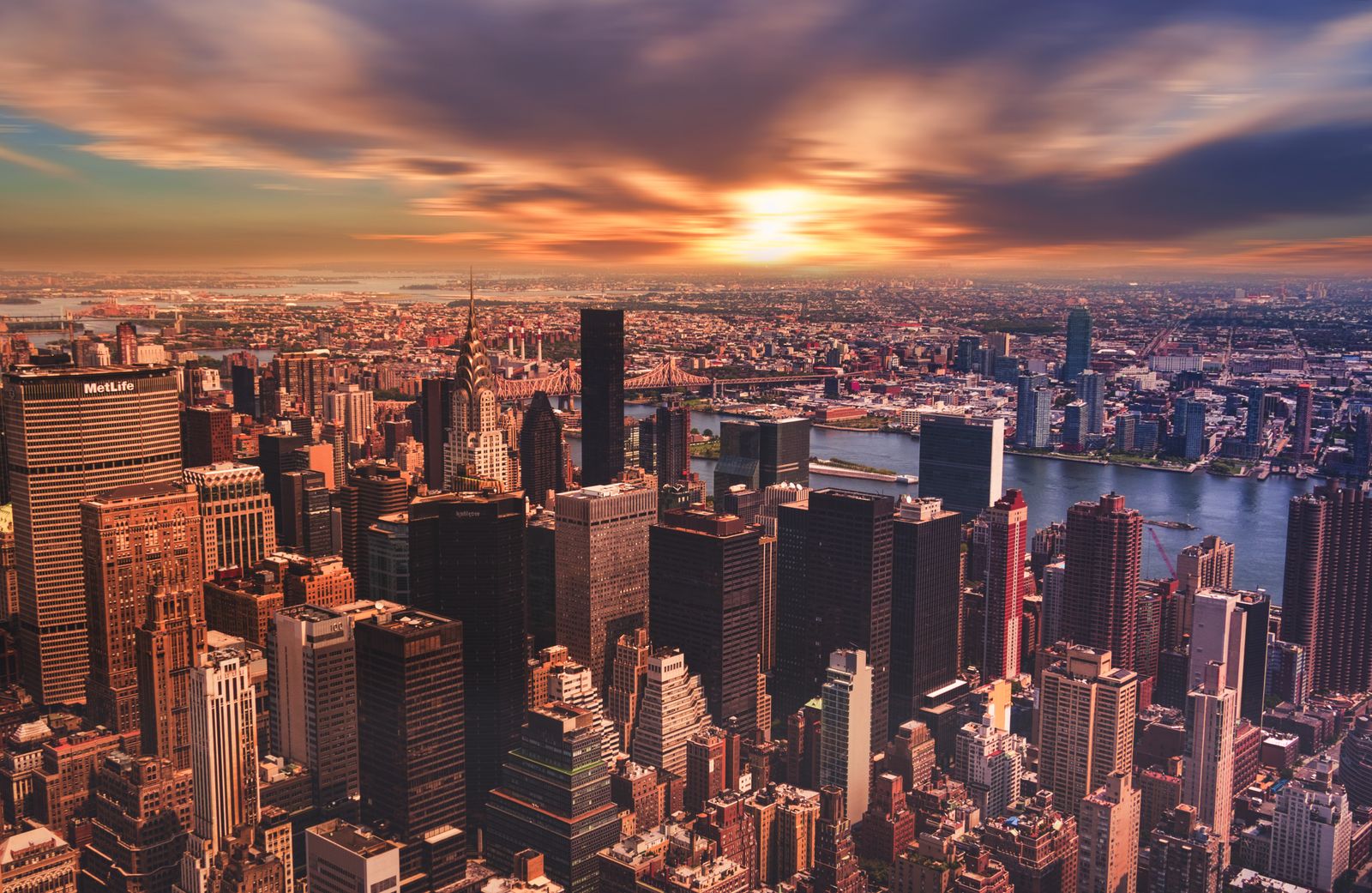
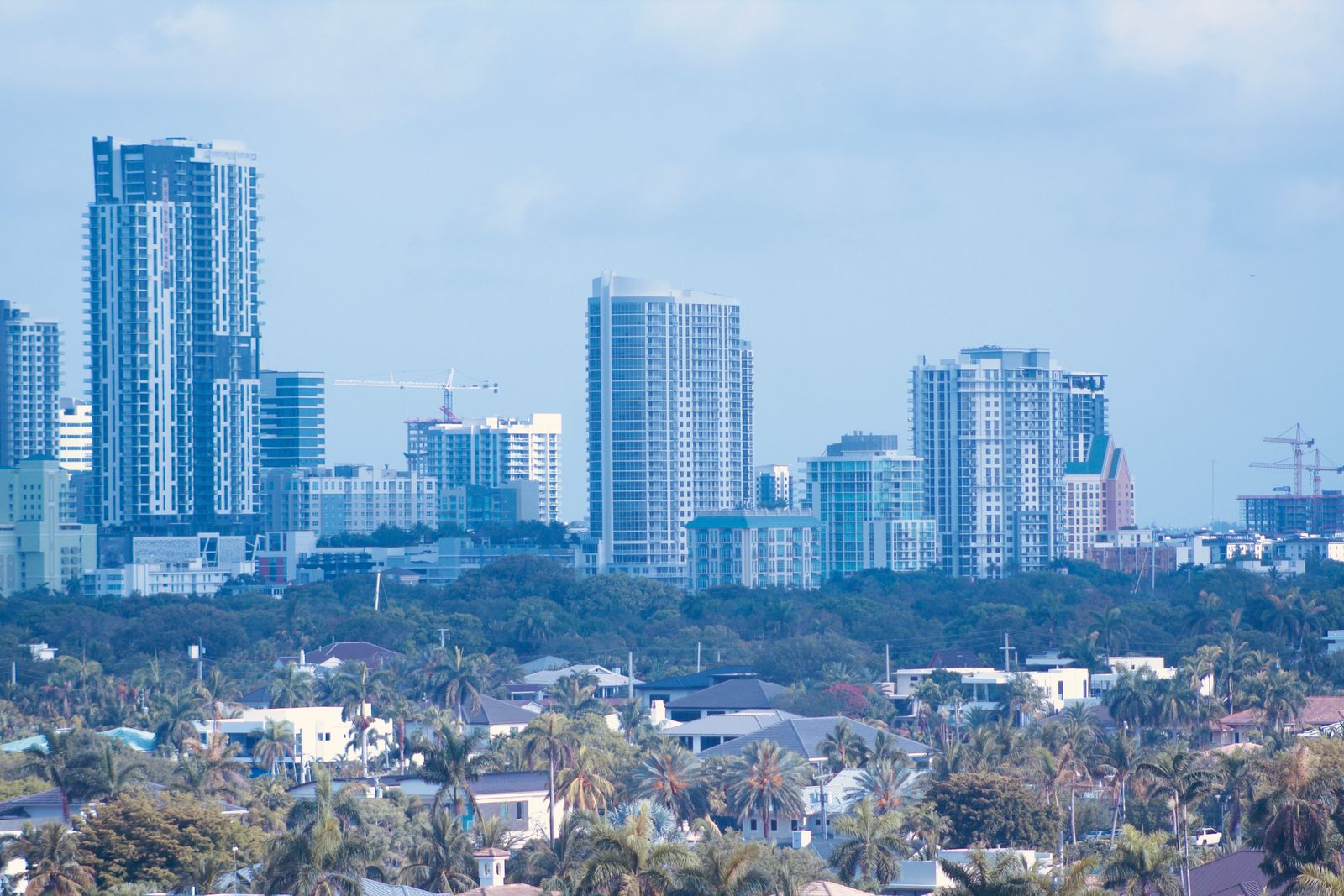
Brickell can be a flat roof full of condensers. Ten minutes away a house street is barrel tile and a metal valley. Both calls come to the same desk.
Miami is the center of Miami-Dade. Inland blocks bake under a long sun. Blocks near the bay and the river pick up salt air, lighter than Miami Beach and still enough to rust a cheap flashing. Summer rain falls in bursts. A valley, a dead valley on a flat roof, or a cracked tile over tired underlayment is where that water comes inside.
Downtown and Brickell are mostly high-rises. Their roofs are flat, crowded with equipment, and judged by their drains. Coconut Grove, Little Havana, and the older house streets are tile and stucco, with trees that drop leaves into gutters. Wynwood and the Design District mix warehouses, low commercial buildings, and newer construction.
A hurricane does not care which neighborhood the brochure used. Miami-Dade's high-velocity hurricane zone is the standard a new roof is built to. The visit before that is simpler: what material is up there, what moved, and what the water is using as a door.
A Miami visit starts at this office number and ends with a description of the roof you have, not a script about a different city.
The desk is open every day from 8 AM to 8 PM at (305) 701-4572. Say where the building is and what the roof is doing.
A roofer looks at the slopes, the edges, the penetrations, and the drains from the places that are safe to walk.
You hear what is visible: the material, the flashing, and any opening the rain is using. The notes stay in ordinary language.
Repair stays in the conversation when the rest of the roof can remain. A new roof is the conversation when the deck, the underlayment, or the field of the roof is worn through.
If you want a claim, you call your insurer. The visit describes the roof. The insurer decides the claim.
The office is 2341 NW 34th St, Miami, FL 33142. Hours are 8 AM to 8 PM every day. Phone (305) 701-4572. Downtown and the Grove use that same desk.
Residential calls are usually tile, sometimes shingles, sometimes a flat addition behind a tile house. Commercial calls are flat roofs and metal. The first question on the phone is the material and the symptom: a stain, a lifted edge, a drain that holds water, or a ceiling that drips only when the wind comes from one direction.
Yes. 2341 NW 34th St, Miami, FL 33142.
Yes. Downtown is mostly flat and drained. House streets are mostly tile over underlayment, with metal at the joints.
Bay and river blocks get salt. Inland house streets get more heat and rain than salt. Both are Miami-Dade.
Call (305) 701-4572 between 8 AM and 8 PM, or use the form. Say the neighborhood and what the ceiling is doing.