
Downtown
Towers and older mid-rises, mostly flat roofs, drains, and equipment curbs. Leaks travel downward and show up far from the curb.
Elite Roofing Company of Miami
Coastal Broward, canals, and the same wind standard
Fort Lauderdale is in Broward County, which shares the high-velocity hurricane zone with Miami-Dade. Canals and the Atlantic put salt air on flashings. Sound metal at those canal edges keeps the salt and the canal rain outside the house.
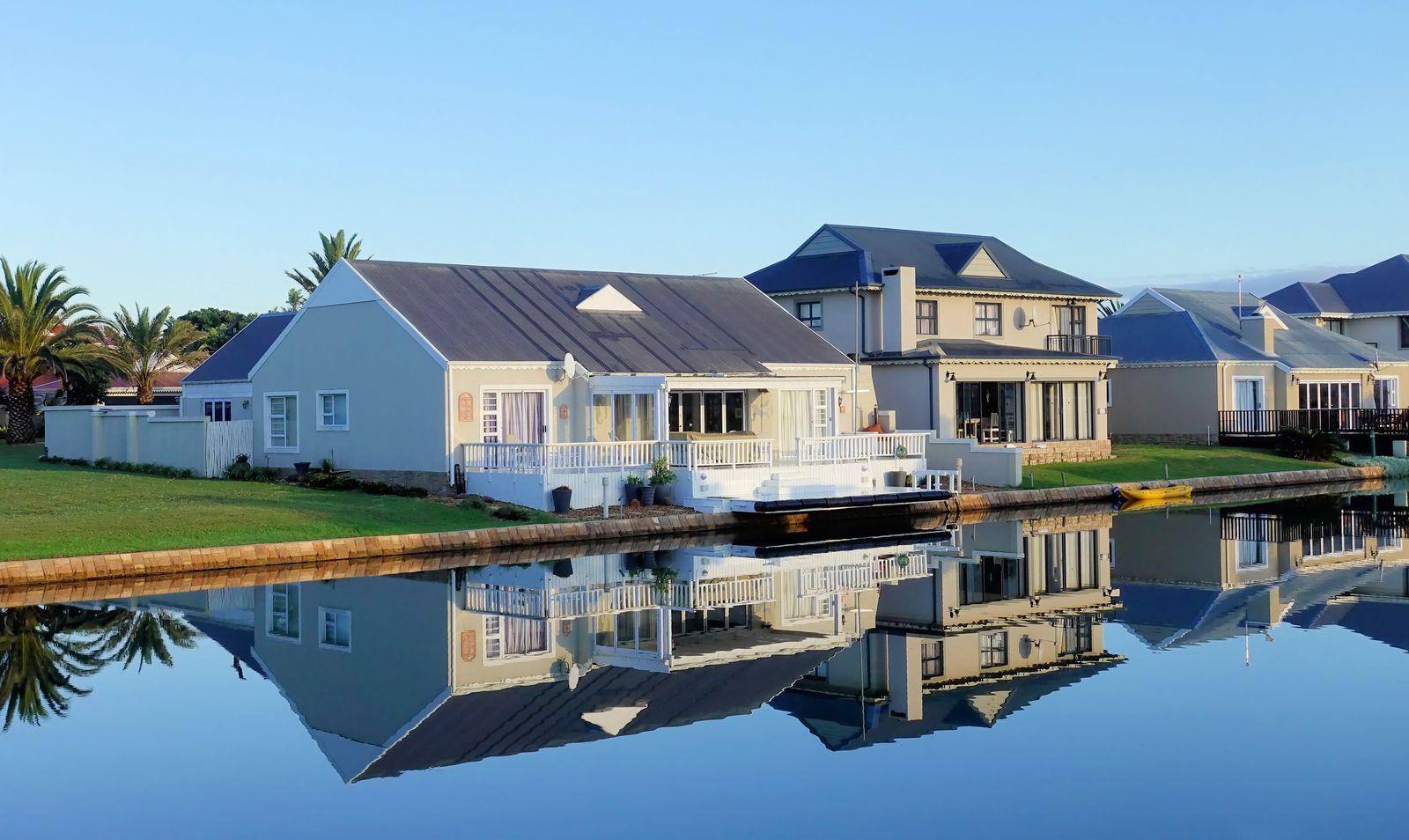
Canals cut through Fort Lauderdale the way the bay cuts through Miami. Roofs next to that water see more salt. Roofs a few miles inland see the rain and the sun.
Downtown, the canals, and the nearby Broward cities share the storms and split on salt air.
Towers and older mid-rises, mostly flat roofs, drains, and equipment curbs. Leaks travel downward and show up far from the curb.
Houses, small buildings, and water nearby. Tile is common. Salt air is part of the flashing conversation.
A house neighborhood with tile and some shingles, trees, and gutters that fill. Valleys under litter are worth a look after a storm.
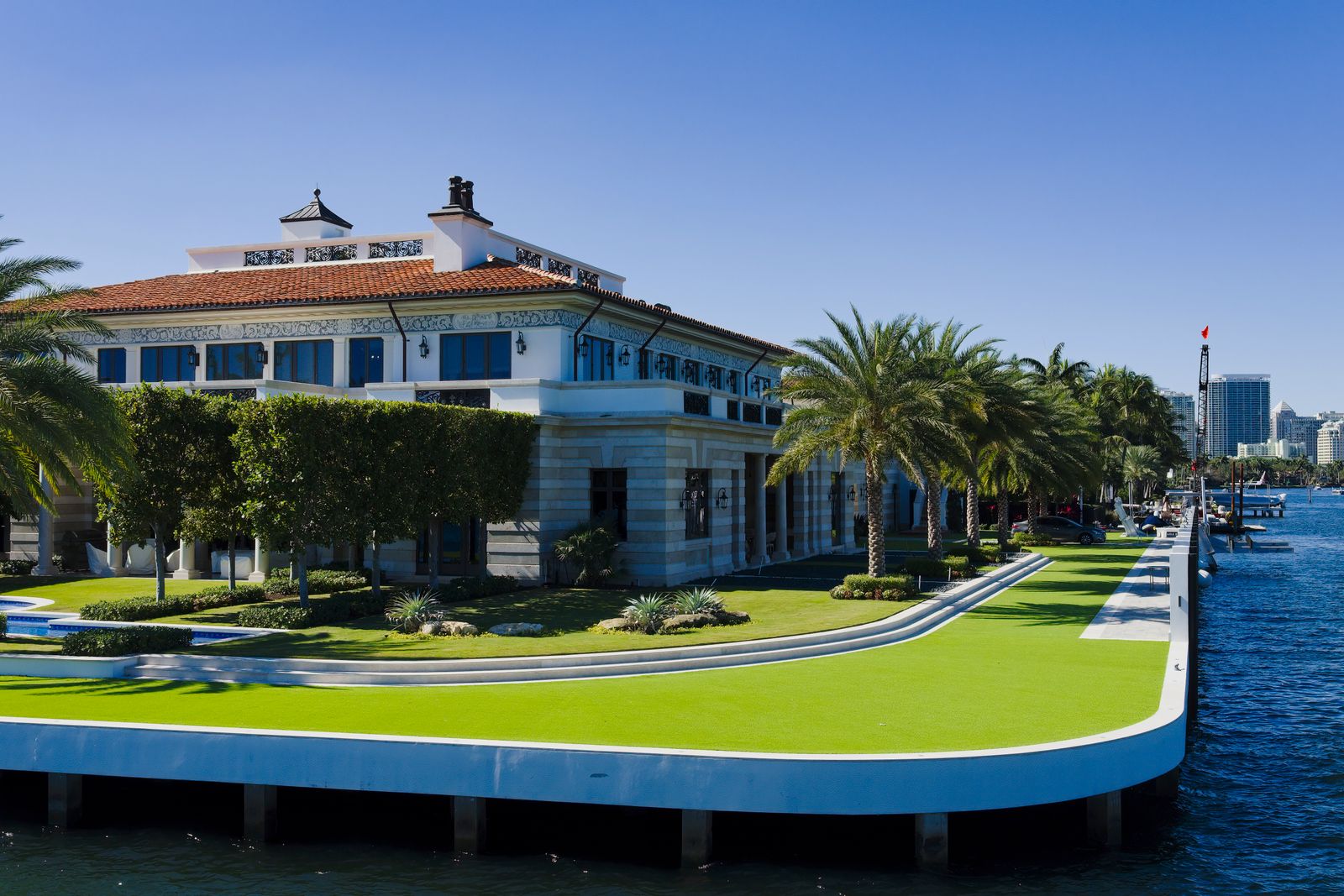
Waterfront and near-water houses. Tile roofs, metal edges, and wind off the water. Similar in kind to a Miami bay island, under Broward rules.
Inland of the beach, a mix of houses and small commercial roofs. Less salt, same summer rain.
Suburban houses, tile and shingle, and low commercial roofs along the main roads. Wind on open subdivisions is the hurricane question.
Coastal cities beside Fort Lauderdale. Salt air returns. Flat roofs on the towers, tile on the houses, metal at every joint.
Las Olas and the barrier-island streets take salt air the way Miami Beach does. Steel flashings and fasteners rust. Tile and flat roofs both sit in that air. A tile roof fails at the metal and the underlayment. A flat roof fails at drains, seams, and coping.
Inland Broward, through Plantation and Davie, drops the salt and keeps the storms. Afternoon rain, long sun, and wind on open eaves are the daily list. Hollywood and Pompano Beach swing back toward the coast and the salt.
Broward and Miami-Dade are both in the high-velocity hurricane zone. A new roof is expected to meet that wind standard. The visit is about the roof on the building, in that climate.
A Fort Lauderdale visit names the water nearby, then looks at the roof that is actually on the building.
The desk is open every day from 8 AM to 8 PM at (305) 701-4572. Say where the building is and what the roof is doing.
A roofer looks at the slopes, the edges, the penetrations, and the drains from the places that are safe to walk.
You hear what is visible: the material, the flashing, and any opening the rain is using. The notes stay in ordinary language.
Repair stays in the conversation when the rest of the roof can remain. A new roof is the conversation when the deck, the underlayment, or the field of the roof is worn through.
If you want a claim, you call your insurer. The visit describes the roof. The insurer decides the claim.
The office is 2341 NW 34th St, Miami, FL 33142. The phone is (305) 701-4572, open daily 8 AM to 8 PM.
Say whether the building is on a canal, on the beach, or inland. That one fact changes whether the visit starts with rusted metal or with a rain-worn underlayment. The rest of the visit is the same five steps used everywhere else.
No. It is in Broward. Broward shares the high-velocity hurricane zone. The company office is in Miami.
Much less than Las Olas or Pompano. Heat, rain, and wind still do. Say where the house is.
Tile on houses, flat roofs on larger buildings, metal flashings on both.
Call (305) 701-4572 from 8 AM to 8 PM, or send the form with a ZIP code.