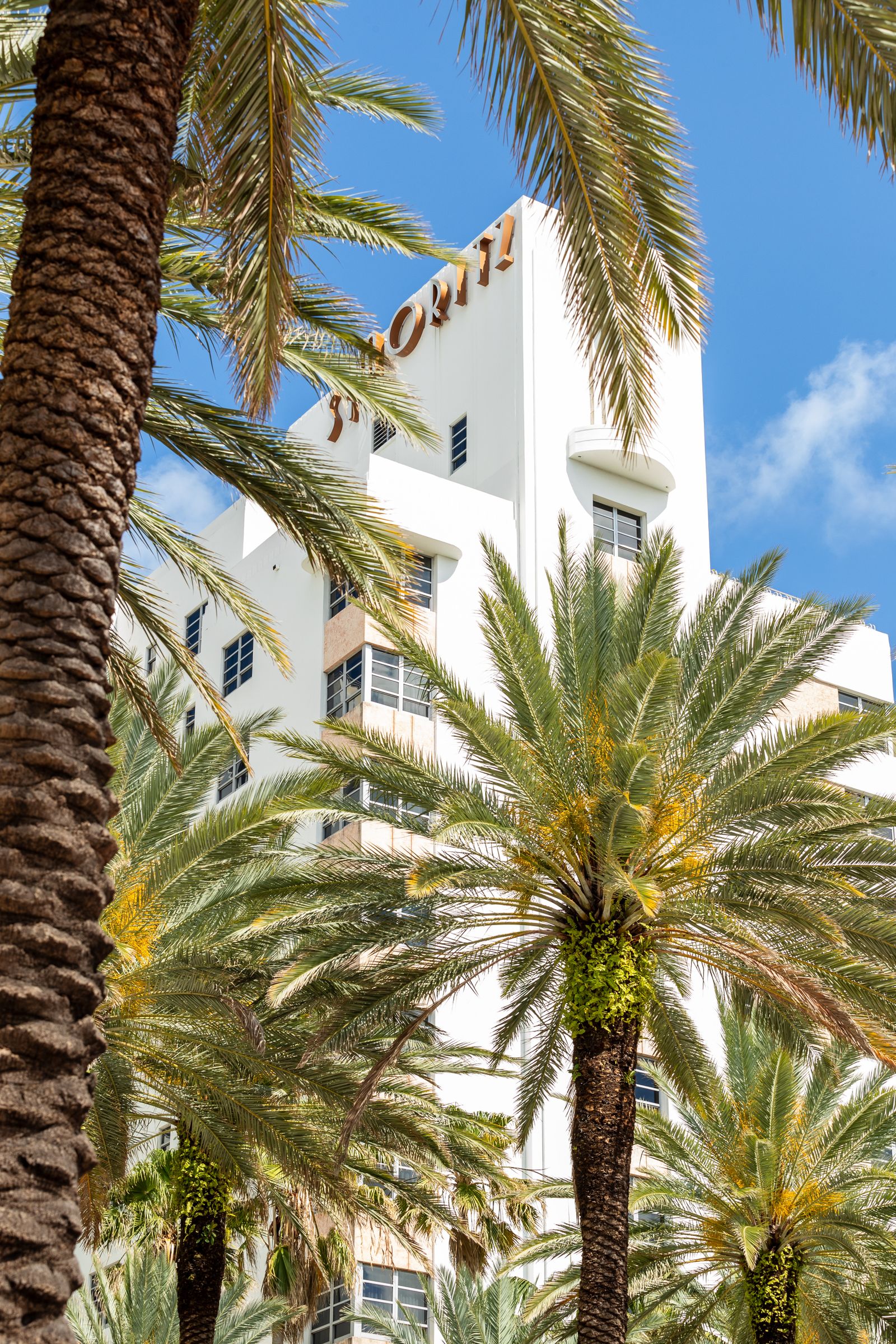
A white art deco hotel and palm trees under a bright sky

Elite Roofing Company of Miami

Miami Beach

Roofs on a barrier island live in salt air

Miami Beach roofs take Atlantic wind, salt spray, and the same Miami-Dade summer rain as the rest of the county. Tile, flat roofs, and metal flashings each fail in their own way. Sound flashings and clear drains keep that salt and that rain out of the rooms below.

Beach

Request a call. Four steps. We call back between 8 AM and 8 PM.

Call (305) 701-4572

Tell Us About Your Beach Property

Salt air is the first thing we look at on a beach roof.

Property

Beach area

Along the beach and the bay

South Beach, the bay islands, and the coastal cities next door each put a different roof in the same salt air.

South Beach

South Beach is the Art Deco district and the blocks just inland from it. Hotels and walk-up apartments often hide a flat roof behind a parapet. Houses a few streets west still carry barrel tile. Salt spray reaches both, and the sun sits on the parapet walls all afternoon.

Mid-Beach

Mid-Beach is the taller condominium coast along Collins Avenue. Most of those buildings have flat roofs, roof decks, and a crowd of vents, rails, and equipment curbs. Wind off the Atlantic loads the edges, and salt air works on every exposed fastener.

North Beach

North Beach mixes mid-rise condos with smaller houses. Tile shows up again on the houses. The same salt air is here, with a little more room between buildings and a little less of the hotel parapet.

Fisher Island

Fisher Island sits in the water on more than one side. Roofs here live in salt air, and the boat traffic does not change what the fasteners have to survive. Tile and flat roofs both show up.

Star Island

Star Island houses face the bay. Barrel tile is common. The metal that matters is the flashing, the drip edge, and the nails or screws holding the tile. Those pieces rust long before the clay does.

Venetian Islands

The Venetian Islands are a string of bay islands with houses close to the water. Tile roofs, stucco walls, and short metal flashings at the eaves are the usual picture. Afternoon rain runs hard toward the bay side.

Sunset Islands

Sunset Islands is another bay-house neighborhood. Roofs are mostly tile. Trees and neighboring walls change how wind hits a slope, so one house can lose a ridge while the next one looks calm.

Bal Harbour

Bal Harbour has high-rises near the inlet and houses set back from them. Flat roofs on the towers need drains that keep up with a summer storm. Houses nearby still use tile. Salt air is part of both.

La Gorce and the islands nearby

La Gorce, Normandy Isles, Surfside, and Bay Harbor Islands sit on the same coast. Condos, small hotels, and houses share the wind and the salt. Each building has its own roof, and the office for this company remains the Miami address.

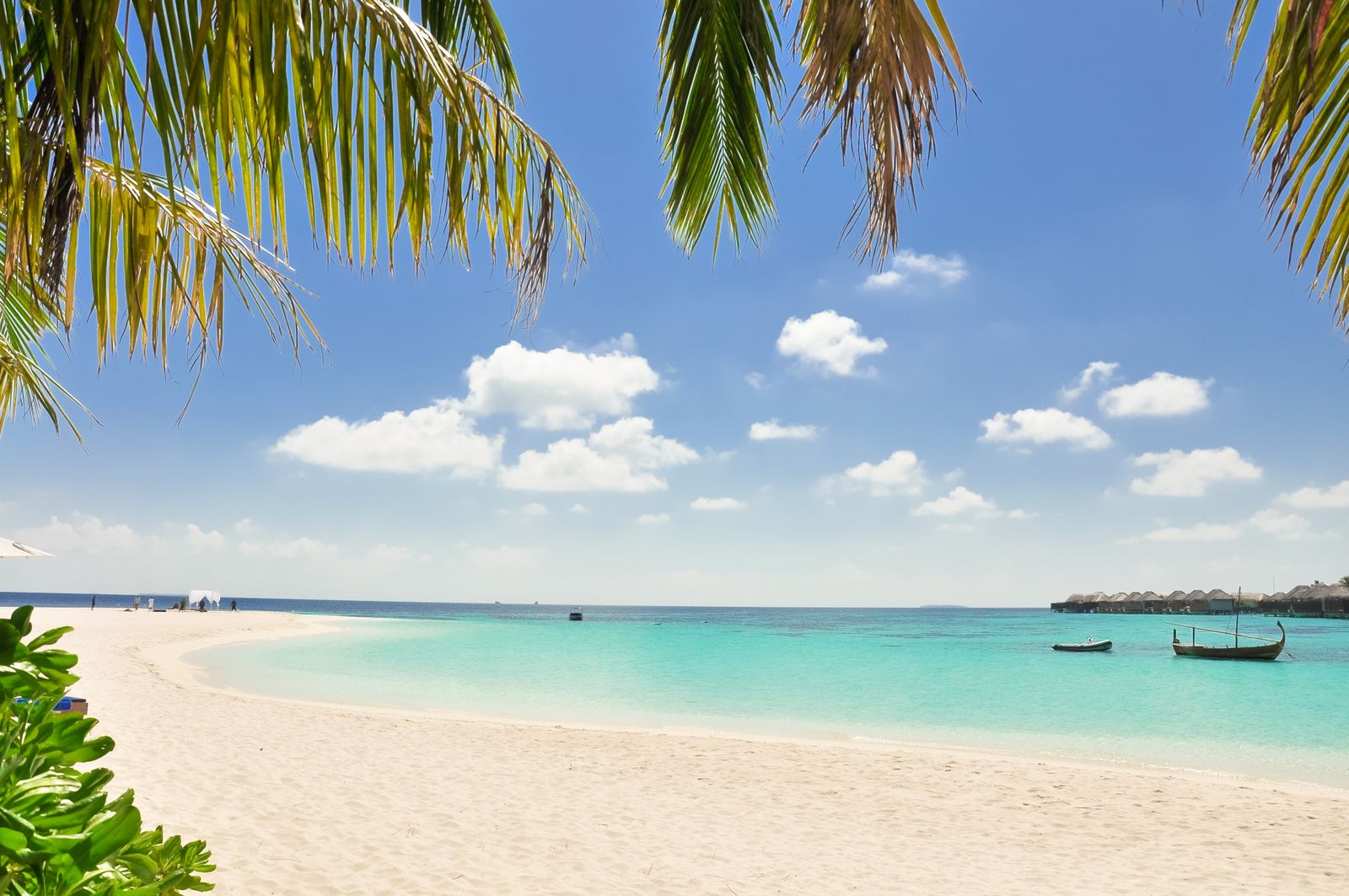
Turquoise water meeting a bright beach

Salt, sun, and wind on the same roof

Salt air does not eat clay tile the way it eats steel. The pieces that fail first on a beach roof are the fasteners, the drip edge, the lead or metal flashing at a wall, and the screws in a roof curb. A tile field can look even while the nails underneath are rusting. When a storm lifts one tile, the underlayment is the only layer left.

Flat roofs on Collins Avenue towers have a different problem. Water moves slowly. A clogged drain or a tired seam holds water against the parapet. Wind pushes rain under coping metal. Equipment curbs, old rails, and patches from earlier visits become the leaks. Heat bakes the surface between storms.

Miami Beach is in Miami-Dade, inside the high-velocity hurricane zone. Edges, ridges, and attachments are the parts a new roof has to get right. Historic Art Deco facades are a city matter for the walls people see. The roof behind a parapet still has to keep water out. The walls people see and the roof that sheds water are two different pieces of the building.

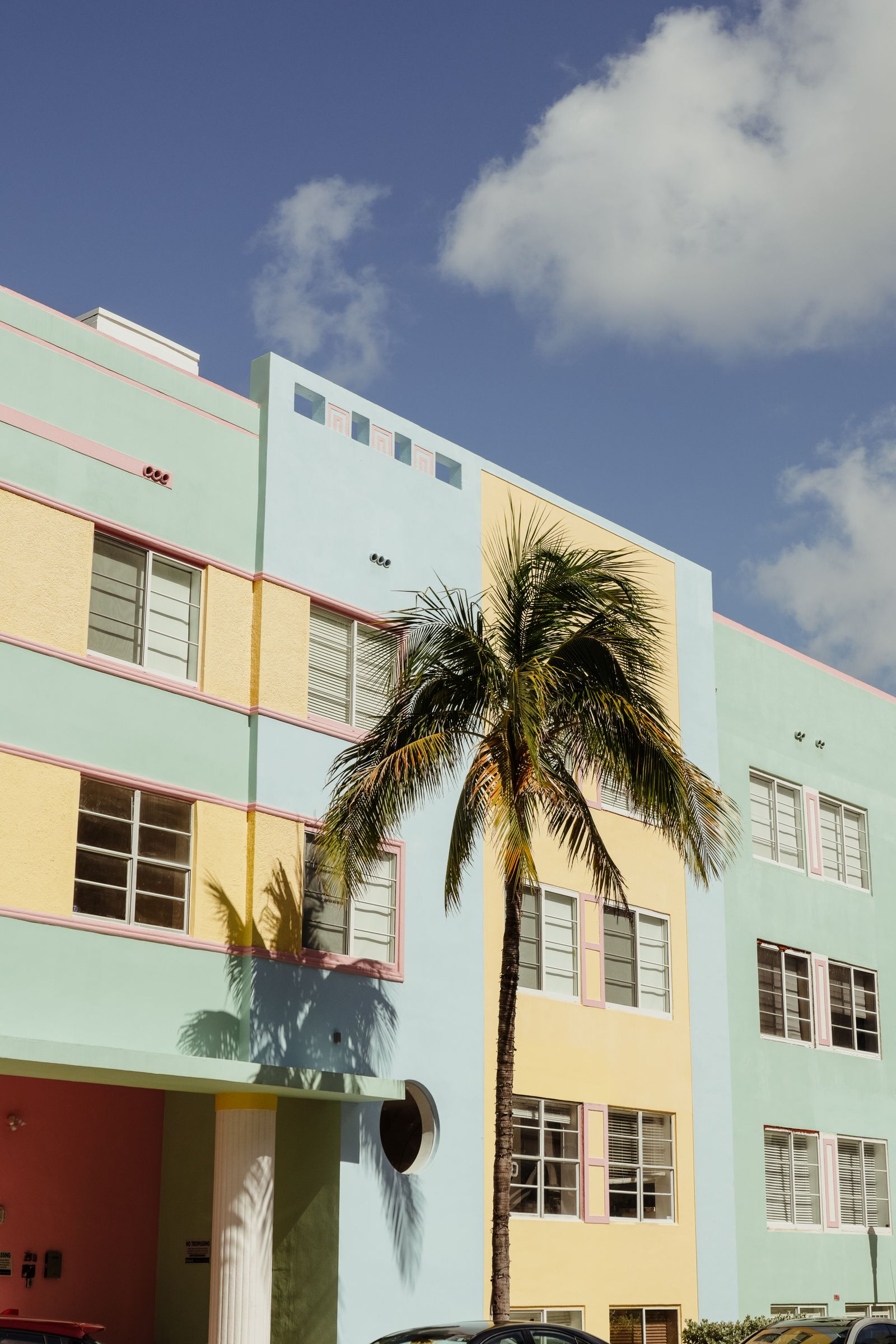
A pastel art deco building with a flat parapet and one palm

Parapets hide a lot of flat roof

From the sidewalk an Art Deco front looks like a wall. Behind it, the roof is often flat, with drains, pitch pans, and coping. That is the part a storm tests.

How a visit works

A Miami Beach visit looks at salt damage on metal, drains on flat roofs, and tile fasteners on houses. The desk is open daily from 8 AM to 8 PM.

Call the office

The desk is open every day from 8 AM to 8 PM at (305) 701-4572. Say where the building is and what the roof is doing.

A visit in those hours

A roofer looks at the slopes, the edges, the penetrations, and the drains from the places that are safe to walk.

A plain description

You hear what is visible: the material, the flashing, and any opening the rain is using. The notes stay in ordinary language.

Repair or a new roof

Repair stays in the conversation when the rest of the roof can remain. A new roof is the conversation when the deck, the underlayment, or the field of the roof is worn through.

Insurance stays with you

If you want a claim, you call your insurer. The visit describes the roof. The insurer decides the claim.

What the buildings actually are

South of 23rd Street the pattern is low Art Deco hotels, apartment houses, and a scatter of tile-roof houses. Moving north, the buildings get taller and the roofs get flatter. On the bay islands the pattern flips back to houses, barrel tile, and short eaves close to the water.

Condo associations add a layer of access rules: a dock, a service elevator, a board that wants the work described before anyone is on the roof. The roofing work itself is still flashing, drains, tile, and membranes. A visit starts with what is visible, then the owner or the board decides what to do.

Bal Harbour, Surfside, and Bay Harbor Islands are their own cities and they share this coast. Salt air does not stop at a municipal line. If the building is there, the phone number is still (305) 701-4572 and the office is still in Miami.

Questions from Miami Beach

How does salt air affect a Miami Beach roof?

It corrodes steel flashings and fasteners and it dries out some sealants. Clay tile itself is much less bothered. The leak often starts where the metal failed, not where the tile looks old.

What roofs are common here?

Barrel and flat tile on houses. Flat, drained roofs on condominiums and hotels. Metal as flashing everywhere, and as a full roof on some smaller buildings.

Can you meet a condo board?

The office can describe the roof and the work in a way a board can read. Access rules belong to the building. Call during open hours and say which building.

Is the office on the beach?

No. The office is 2341 NW 34th St, Miami, FL 33142. Open daily, 8 AM to 8 PM.

CallRequest a call