
Call the office
The desk is open every day from 8 AM to 8 PM at (305) 701-4572. Say where the building is and what the roof is doing.
Field notes
Four subjects the office explains on almost every visit. None of them requires a product pitch. They are how water, sun, salt, and wind treat a roof in this county. Call (305) 701-4572 if one of them is happening on your building.
Miami
Request a call. Five steps. We call back between 8 AM and 8 PM from the Miami office.
On a tile roof the barrels are what the neighbors see. The sheet under the barrels is what keeps a cracked tile from becoming a ceiling stain. Felt dries out in a Miami attic's heat. When it cracks, water that slips past a chip of concrete has a highway. Repairs that swap the tile and leave the cracked sheet recreate the same stain.
A larger repair, sometimes called a reset, lifts the tile, lays a new sheet, and puts the sound tiles back. It costs more than one piece because it is a different scope. It costs less than ignoring a sheet that is done. The visit says which of those you are looking at, after the tiles around the leak are up.
Shingle roofs have the same idea with a different surface. The shingle sheds water. The underlayment is the second chance at the eaves and in the valleys, where water sits longest. A Miami sun that bakes the shingle is also baking that layer.
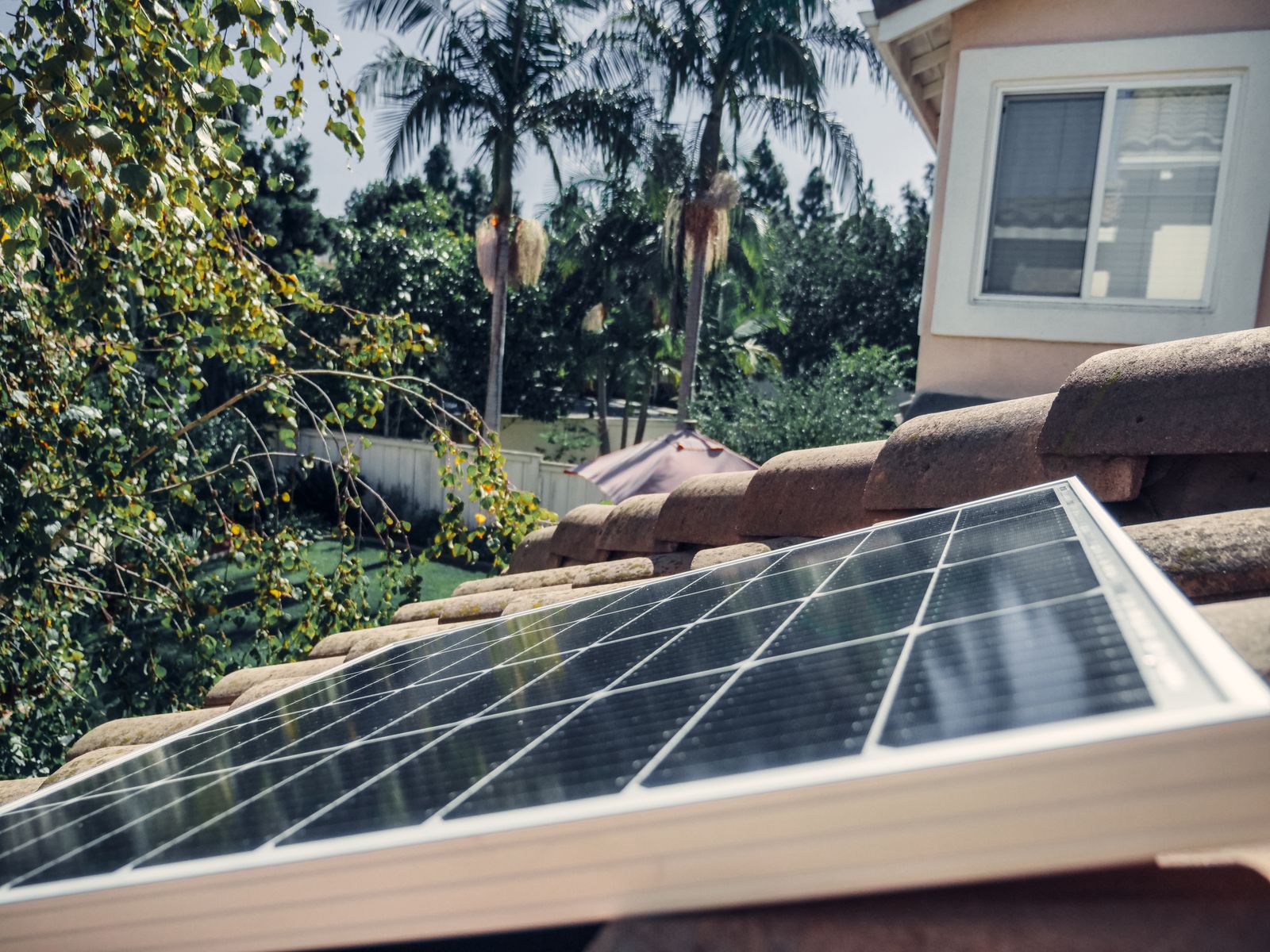
Tile takes the sun and the debris. The sheet underneath takes the water that gets past a crack.
Clay does not rust. Steel does. On Miami Beach, the bay islands, and the Intracoastal side of North Miami Beach and Aventura, ordinary nails, drip edge, and wall flashing corrode. The leak starts as a rust stain at a fastener and becomes a hole. Inland Hialeah, Kendall, and Weston do not live in that spray. Their metal fails from age and standing water more than from salt.
Choosing a fastener that matches the air is part of a coastal repair. Painting a rusted nail and leaving it in place is not. The visit names the metal that is there and the metal that should replace it.
A hurricane is a separate test. Salt weakens the piece. Wind pulls it. Roofs that lost their edge metal in a storm often lost a piece that was already thin. The notes after a storm should say both things when both are visible.
Low-slope roofs on warehouses and towers depend on drains. A scupper full of leaves is a closed door. Water rises against a parapet, finds a pinhole, and shows up in a unit that may not be directly under the scupper. Miami-Dade rain is heavy enough to run this experiment every week in the summer.
Coatings and patches belong on dry roofs that already drain. A coating on a wet, ponding roof seals the water in. The first question on a commercial visit is whether the roof empties. The second is whether the membrane is still attached. The third is the curb under the equipment.
If you manage a building, walk the roof the day after a hard rain or send someone who will. A pond the next morning is the map of the next leak. Call the office with that map. The desk is open daily, 8 AM to 8 PM, at 2341 NW 34th St, Miami, FL 33142.
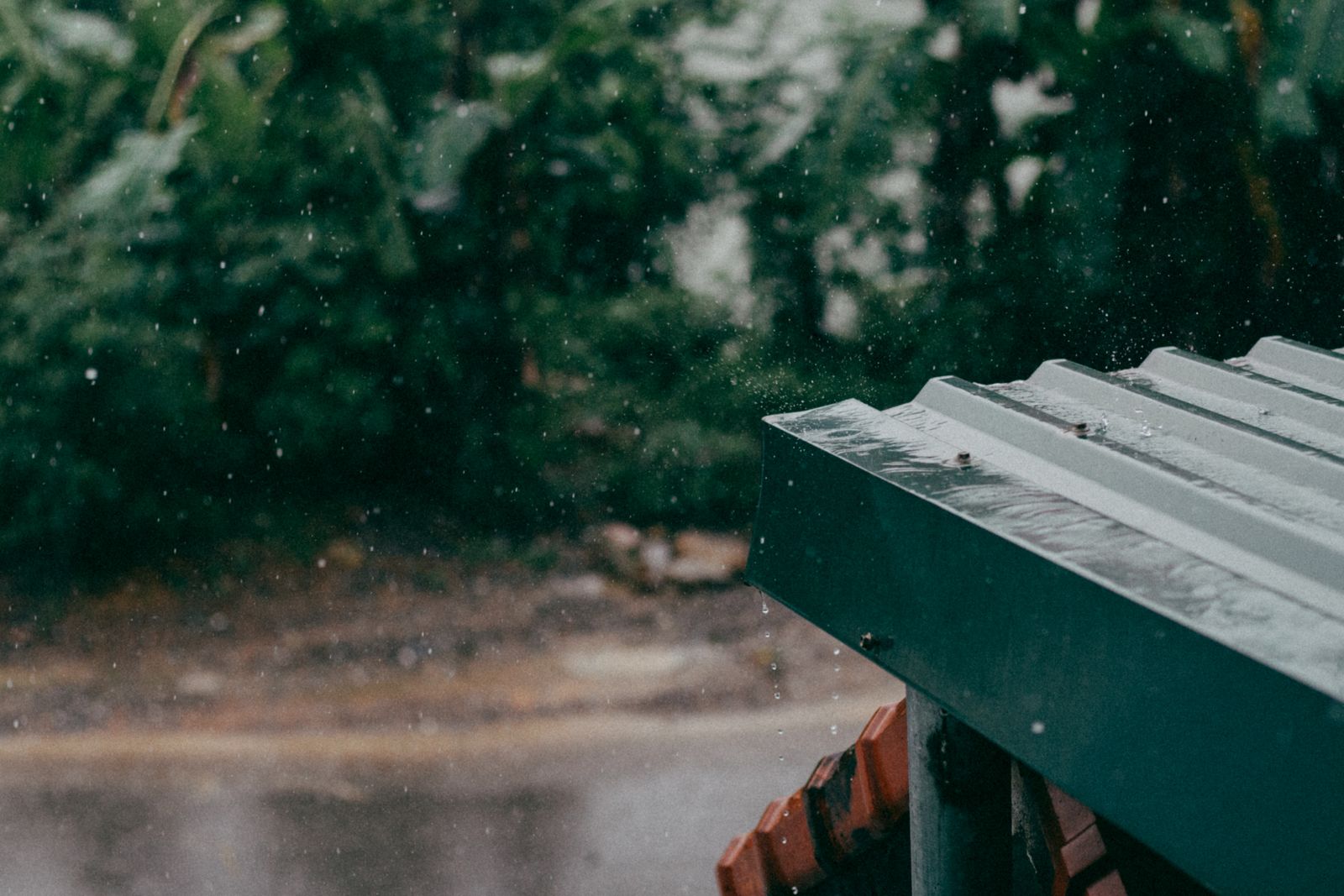
Where water sheets, where it drips, and where it stands are the notes. A photo of that moment is worth bringing to the visit.
If one of these subjects matches your roof, the next step is a call, not a longer article.
The desk is open every day from 8 AM to 8 PM at (305) 701-4572. Say where the building is and what the roof is doing.
A roofer looks at the slopes, the edges, the penetrations, and the drains from the places that are safe to walk.
You hear what is visible: the material, the flashing, and any opening the rain is using. The notes stay in ordinary language.
Repair stays in the conversation when the rest of the roof can remain. A new roof is the conversation when the deck, the underlayment, or the field of the roof is worn through.
If you want a claim, you call your insurer. The visit describes the roof. The insurer decides the claim.