
Call the office
The desk is open every day from 8 AM to 8 PM at (305) 701-4572. Say where the building is and what the roof is doing.
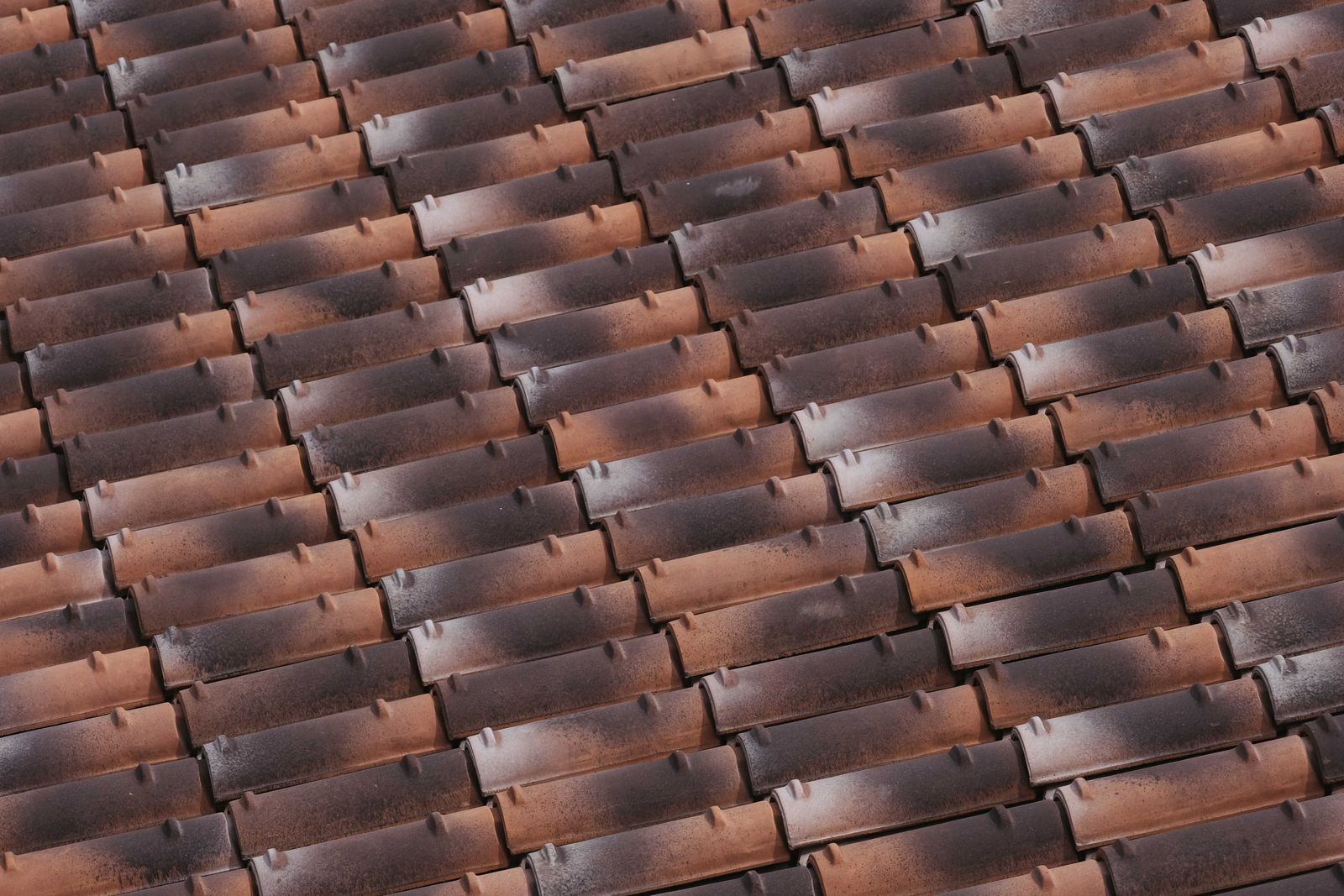
Tile roofing
Clay and concrete tile are the house roof of Miami-Dade. They last in the heat. The sheet under them, and the metal that holds them, are what a storm tests. Elite Roofing Company of Miami LLC repairs and replaces tile roofs from the beach to Homestead.
Miami
Request a call. Four steps. We call back between 8 AM and 8 PM from the Miami office.
Barrel tile and flat concrete tile both shed water down the laps and off the eave. A single cracked barrel is a funnel onto the underlayment. If that underlayment is still sound, the room stays dry and the repair is local. If the underlayment is cracked, dusted, or patched with mismatched pieces, the water travels and the stain appears far from the crack.
Ridges and hips are mortar or a mechanical system, depending on the age of the roof. Wind lifts ridge tile that has lost its hold. The field can look untouched while the ridge is a gap. Hips take the same load on a diagonal. A tile roof inspection that skips the ridge missed the part hurricanes pull first.
Valleys on a tile roof collect leaves, seed pods, and grit. Water jumps the valley metal and runs under the tile. Coastal houses add salt: the valley metal and the nails rust. Inland houses add trees. Both end at the same phone number.
Walking tile is its own skill. Clay breaks under a careless step, and a roof can be damaged by the person who came to save it. The visit uses the walk boards and the paths the roof allows. Notes say what was walked and what was seen from the ladder.
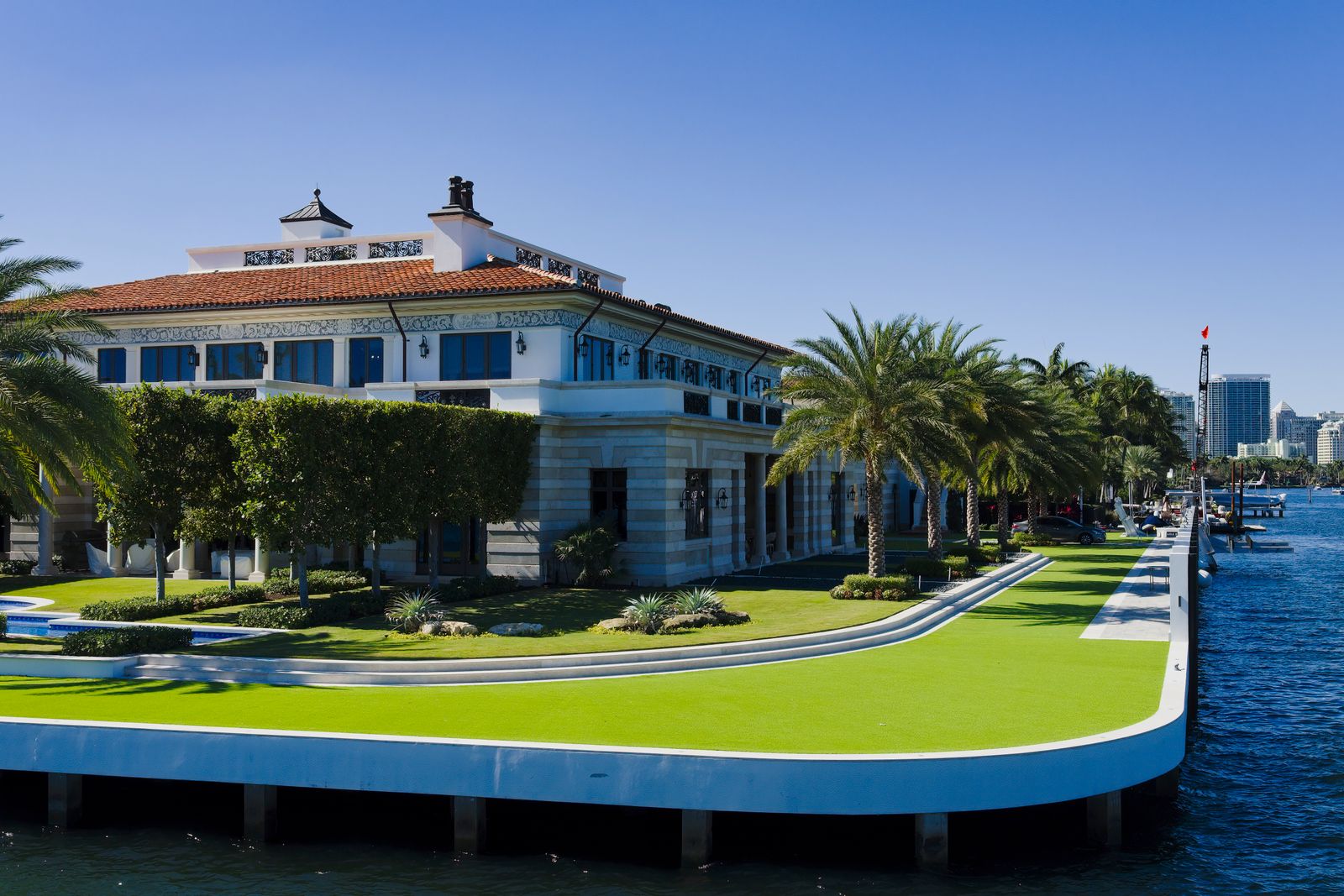
Barrel tile, stucco, and palms are the street. The work is the sheet and the metal under that picture.
A repair lifts tiles, fixes the underlayment at the opening, and resets the tiles. A reset is larger: tiles come off a slope so a new underlayment can go down, and the good tiles go back. A full replacement brings new tile when the old ones are broken, brittle, or the wrong shape to reuse.
Weight matters. Tile is heavy. A deck that held tile can hold tile again. A plan to switch a tile house to a lighter roof, or the other way around, is a deck conversation, not only a color conversation. The visit looks at the deck when the tile is up, and says what the wood is doing.
Miami-Dade's hurricane zone applies to a new tile roof: fastening, the eave, the ridge, and the underlayment. The permit office sees those drawings. Call (305) 701-4572 daily from 8 AM to 8 PM. The office is at 2341 NW 34th St, Miami, FL 33142.
Tile visits follow the five steps, with extra care about where it is safe to walk.
The desk is open every day from 8 AM to 8 PM at (305) 701-4572. Say where the building is and what the roof is doing.
A roofer looks at the slopes, the edges, the penetrations, and the drains from the places that are safe to walk.
You hear what is visible: the material, the flashing, and any opening the rain is using. The notes stay in ordinary language.
Repair stays in the conversation when the rest of the roof can remain. A new roof is the conversation when the deck, the underlayment, or the field of the roof is worn through.
If you want a claim, you call your insurer. The visit describes the roof. The insurer decides the claim.
The underlayment is the layer that has to stay waterproof when a tile cracks. Tile sheds most of the water and protects that layer from the sun.
When it is whole and the profile still matches, yes. Broken tile is replaced. The underlayment under a reuse is new.
Salt air corrodes steel flashings and fasteners. The clay can look fine. The rust is at the nails, the drip edge, and the valley.
Solar is a separate trade. The roofing work is the tile and the underlayment.